

What's Happening?
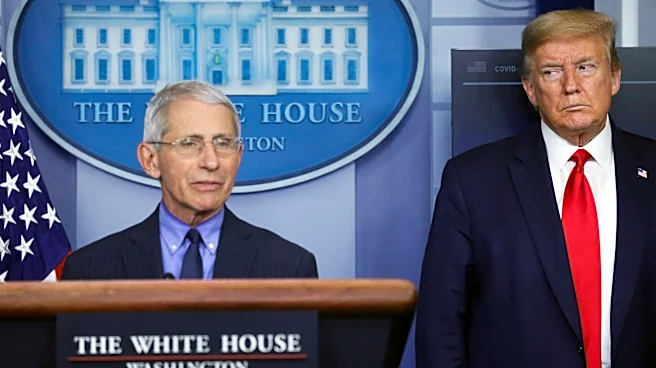
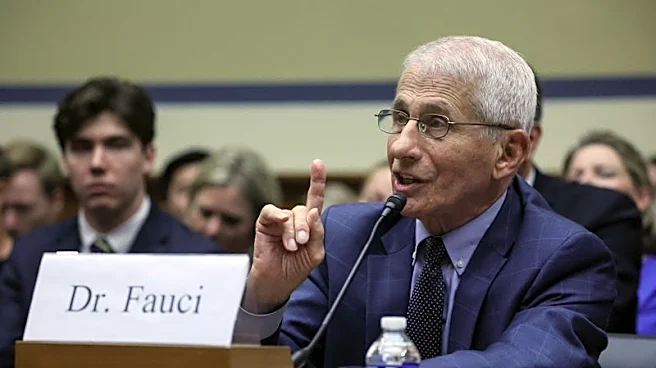
Senator Rand Paul has released over 1,000 pages of Dr. Anthony Fauci's personal diary entries from the critical months of the COVID-19 pandemic. These entries provide an intimate look into Fauci's experiences and challenges while working with President
Trump. Fauci, who led the U.S. response to the pandemic, expressed frustration over Trump's erratic behavior and the pressure to maintain a positive public image. The diaries reveal Fauci's attempts to counter Trump's downplaying of the virus and his efforts to keep discussions focused during meetings. The release of these diaries comes as Paul continues to investigate the origins of COVID-19, a topic on which he has frequently clashed with Fauci.
Why It's Important?
The release of Fauci's diaries highlights the complex dynamics between scientific leadership and political administration during a public health crisis. It underscores the challenges faced by health officials in navigating political pressures while trying to communicate scientific realities. The diaries also provide insight into the internal conflicts within the Trump administration regarding the handling of the pandemic. This development could influence public perception of the pandemic response and impact ongoing discussions about the origins of COVID-19, as well as the role of government transparency and accountability in crisis management.
What's Next?
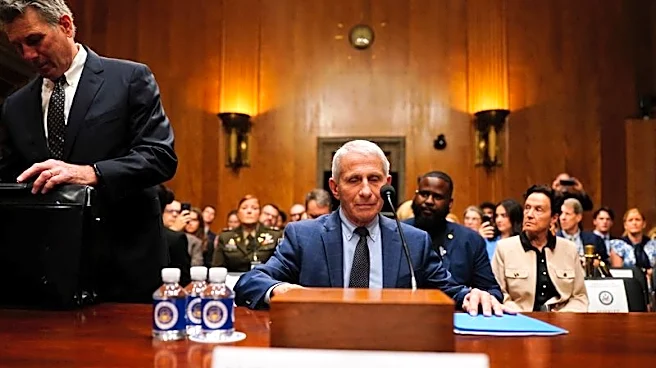
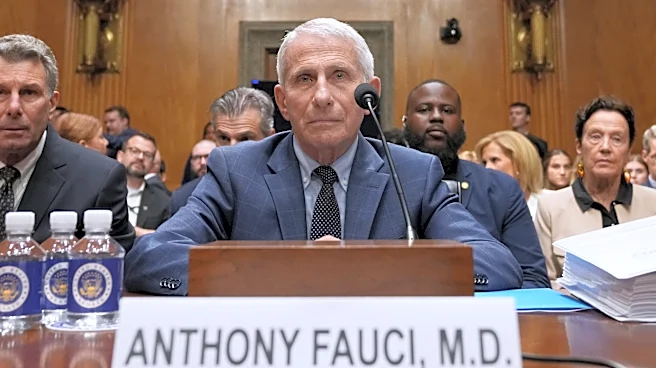
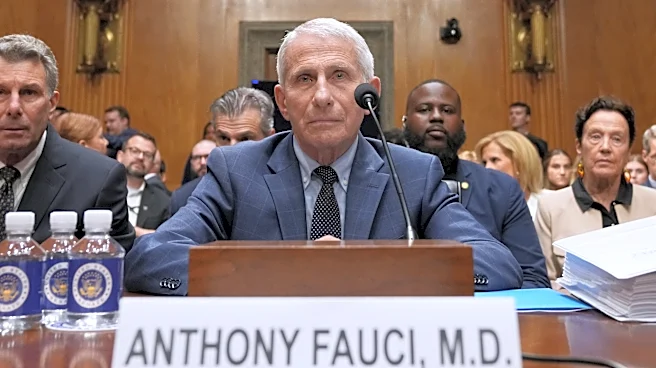
Fauci is expected to testify before the Senate Committee on Homeland Security and Governmental Affairs, where he will address questions about the pandemic and the origins of COVID-19. This testimony could further illuminate the decision-making processes during the pandemic and potentially lead to new revelations about the U.S. government's response. The release of the diaries may also prompt additional scrutiny of the Trump administration's handling of the pandemic and influence future public health policy discussions.
Beyond the Headlines
The publication of Fauci's diaries raises ethical questions about privacy and the public's right to know. It also highlights the potential for personal writings to impact historical narratives and public opinion. The diaries may serve as a case study in the balance between transparency and confidentiality in government affairs, particularly in the context of public health emergencies.