





What's Happening?
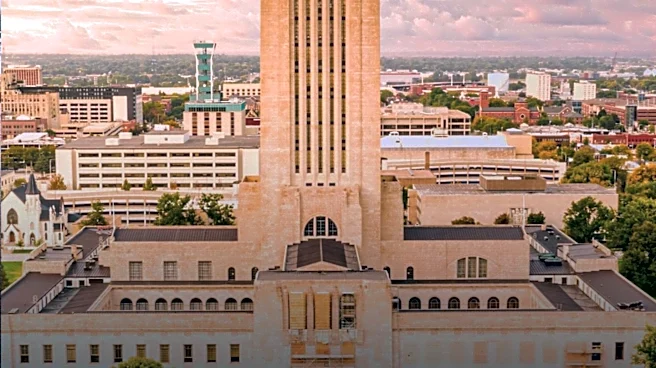
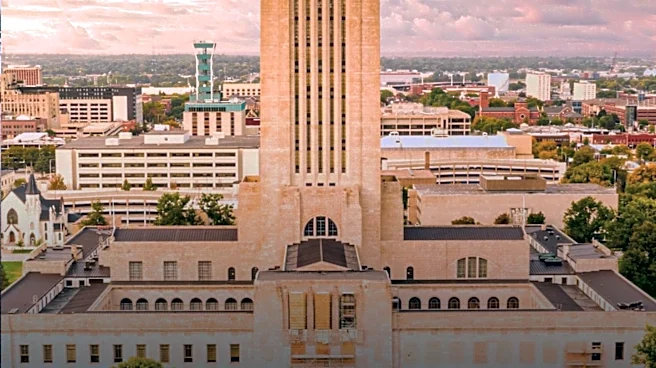
Nebraska is experiencing a substantial budget shortfall, totaling approximately $208.5 million, following four consecutive months of declining tax revenue. This situation is part of a broader national trend of decreasing state tax revenues, though Nebraska's
decline is more pronounced than in many other states, with collections down 8% compared to the long-term trend. The state had initially projected a $6 million surplus at the end of the legislative session in April. A phased income tax cut, set to fully implement by 2027, which reduces the top rate from 6.84% to 3.99%, is identified as a contributing factor to the reduced revenue. In response, Governor Jim Pillen's administration has directed state agencies to consider budget cuts, with some departments, including Health and Human Services, Corrections, and Education, indicating that an 8% reduction would necessitate significant downsizing of programs, facility closures, or staffing reductions.
Why It's Important?
This budget shortfall has significant implications for Nebraska's public services and economic stability. The potential for substantial cuts across key state agencies like Health and Human Services, Corrections, and Education could directly impact the quality and availability of essential services for residents. Reduced funding could lead to longer wait times for healthcare, decreased educational resources, and challenges within the correctional system. The situation also highlights the delicate balance between tax cuts aimed at stimulating the economy and maintaining sufficient revenue for state operations. While Nebraska's rainy-day fund offers some financial resilience, the ongoing revenue decline necessitates difficult decisions that could affect employment, public infrastructure, and the overall well-being of the state's population. The debate over raising sales taxes to offset property taxes also indicates a potential shift in the state's tax structure, which could have varying impacts on different economic groups.
What's Next?
Governor Pillen is expected to submit a budget proposal to the Legislature in January, which will likely include some of the hypothetical 8% budget reductions currently being considered by state agencies. The Appropriations Committee will then review this proposal and recommend any changes to the full Legislature. Historically, the Legislature has often adopted many of the governor's budget proposals. The governor also retains the power to veto specific line items, subject to an override by 30 senators. Discussions around alternative revenue sources, such as raising sales taxes, may also intensify as the state seeks to address the projected $1 billion shortfall over the current and next two fiscal years. These decisions will shape the state's financial landscape and public services for the coming years.
Beyond the Headlines
The persistent budget challenges in Nebraska, exacerbated by tax cuts and national economic trends, underscore a broader philosophical debate about the role and size of government. Governor Pillen's emphasis on running government "like a business" and shrinking its size reflects a common conservative approach to fiscal management. However, the potential consequences of significant cuts to essential services raise ethical questions about the state's responsibility to its most vulnerable citizens. The situation also highlights the long-term effects of tax policy decisions, where immediate benefits like lower income taxes can lead to future revenue shortfalls and difficult trade-offs. This ongoing fiscal pressure could trigger a re-evaluation of Nebraska's economic development strategies and its approach to funding public goods, potentially leading to innovative solutions or increased public discourse on taxation and government spending priorities.