



What's Happening?
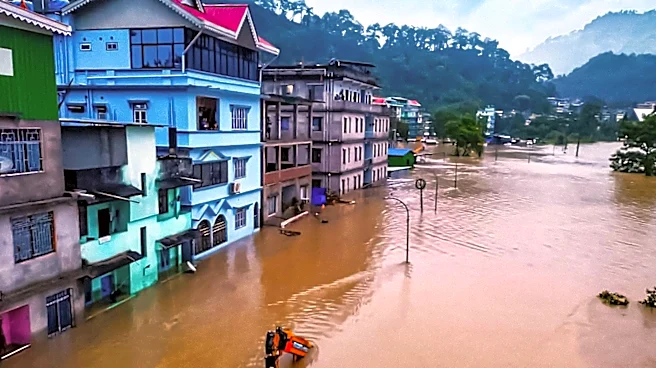
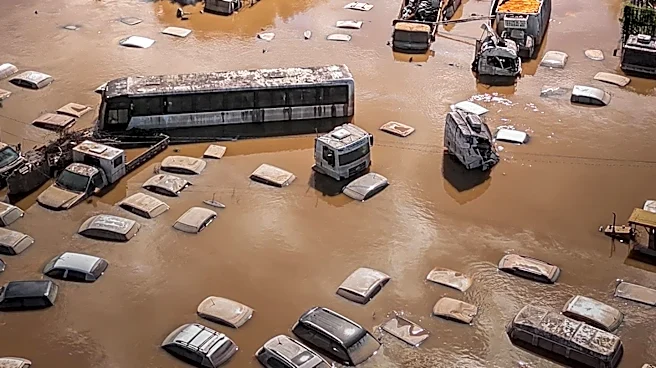
In Kelantan, Malaysia, the Fire and Rescue Department, Malaysia Civil Defence Force, and the Royal Malaysia Police have implemented a coordinated strategy to allocate operational areas by district. This initiative aims to prevent overlapping responsibilities
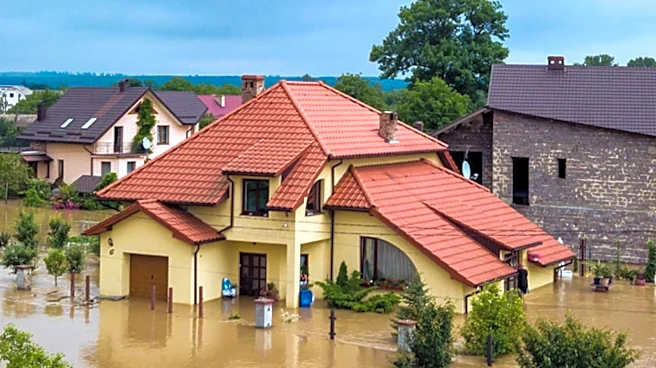
during flood response operations, ensuring that emergency calls are handled efficiently and resources are optimally utilized. According to Kelantan Fire and Rescue director Farhan Sufyan Borhan, this arrangement allows each agency to provide an initial response within its designated area, while also ensuring that calls from other locations are not neglected. Without such coordination, multiple agencies could be dispatched to the same location, leading to a shortage of resources elsewhere and delays in redeploying equipment. Joint training sessions, discussions, and meetings have been conducted to ensure all teams understand their roles. The Malaysian Meteorological Department (MetMalaysia) has issued severe- and alert-level continuous rain warnings for several areas in Kelantan, Terengganu, Pahang, and Sabah until November 11, due to a monsoon surge. Additionally, the NG999 system helps minimize fake calls reaching the Fire and Rescue Department by screening them before forwarding emergency information to relevant agencies.
Why It's Important?
The coordination among rescue agencies in Kelantan is crucial for enhancing the effectiveness of disaster response and minimizing resource wastage during flood events. By clearly defining operational areas, agencies can ensure a more rapid and organized response, which is vital in saving lives and mitigating damage. The potential for resource shortages and delayed responses due to overlapping efforts is a significant challenge in disaster management, and this coordinated approach directly addresses that. The implementation of the NG999 system to filter out fake calls further streamlines operations, allowing emergency services to focus on genuine emergencies. This proactive strategy is particularly important given the severe weather warnings issued by MetMalaysia, indicating a high likelihood of continued heavy rainfall and potential flooding in the region.
What's Next?
The coordinated operational areas will remain in effect as long as flood threats persist in Kelantan and surrounding regions. The on-scene command post will continue to serve as a central hub for coordinating disaster response. If flooding worsens in any area, assistance from other agencies can be mobilized to provide additional support. The NG999 system will continue to play a role in screening emergency calls, ensuring that rescue departments receive only legitimate requests for assistance. The ongoing joint training and discussions among agencies suggest a commitment to continuous improvement in disaster preparedness and response strategies, which will be essential for managing future weather events.
Beyond the Headlines
This coordinated approach highlights a broader trend in disaster management towards integrated and collaborative efforts among various government and civil society organizations. The challenges of resource allocation and communication in emergencies are universal, and Kelantan's strategy offers a model for other regions facing similar issues. The mention of fake calls underscores the societal impact of misinformation and misuse of emergency services, emphasizing the need for public education and technological solutions to ensure the integrity of emergency systems. Furthermore, the recurring nature of floods in Malaysia, driven by monsoon seasons, points to the long-term need for climate adaptation strategies, including resilient infrastructure and community-based preparedness programs, to reduce the vulnerability of populations to extreme weather events.