





What's Happening?
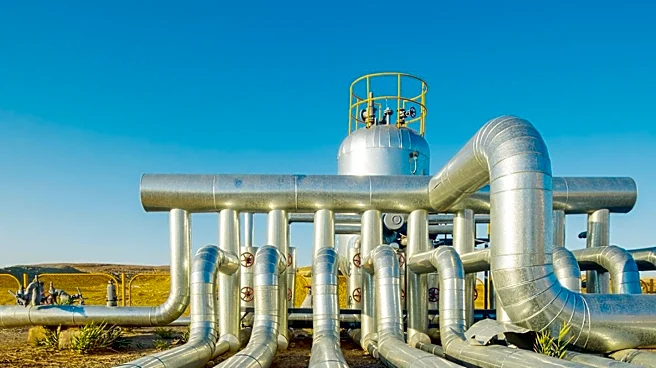
Kinder Morgan is planning to construct a 150-mile segment of a larger 470-mile methane gas pipeline, dubbed the 'Southeast Connector' project, through Tennessee. This segment will run from Sumner County to Marion County, potentially impacting ten counties
including Macon, Trousdale, Smith, Dekalb, Cannon, Warren, Coffee, and Franklin. The pipeline is designed to transport at least 2.6 billion cubic feet of gas per day, with a potential expansion to 3.5 billion cubic feet per day, and will feature a 48-inch diameter, which is larger than most interstate pipelines. This project is part of a nationwide trend, with nearly 200 projects underway to build over 17,000 miles of pipelines, primarily for gas transportation. The Environmental Integrity Project reports this as the largest construction scale since the hydraulic fracturing boom two decades ago. The increased infrastructure is driven by the U.S. becoming the top global gas producer and exporter, and rising electricity consumption from data centers, with at least 98 gas-fired plants being built directly for these facilities.
Why It's Important?
The proposed Kinder Morgan pipeline and the broader expansion of methane gas infrastructure across the U.S. carry significant implications for energy policy, environmental impact, and local communities. The project's substantial capacity could supply a significant portion of the Tennessee Valley Authority's electric capacity, indicating a continued reliance on natural gas for power generation. However, this expansion is expected to increase air pollution, planet-warming emissions, and environmental degradation. The pipeline's large diameter and high volume also raise safety concerns, as gas pipelines have a history of leaks and explosions, causing fatalities and property damage. The use of eminent domain by pipeline developers to acquire land from property owners in affected counties highlights a contentious aspect of infrastructure development, often leading to disputes over property rights. Furthermore, the expedited review processes for these projects, influenced by the President Trump administration's 'energy emergency' order, suggest a prioritization of energy development over environmental and safety regulations, potentially weakening protections for wetlands and endangered species.
What's Next?
Kinder Morgan has set a target in-service date of late 2030 for the Southeast Connector. The precise route of the pipeline will be finalized following environmental surveys and meetings with landowners. Landowners in the affected counties have received notices from Kinder Morgan, indicating the company's intent to either negotiate contracts or pursue property seizure through eminent domain. Community groups and environmental organizations are expected to continue their opposition, advocating for stronger environmental protections and landowner rights. The ongoing national buildout of gas infrastructure, driven by increased U.S. gas exports and demand from data centers, suggests that similar projects will continue to be proposed and developed across the country. The Tennessee Valley Authority is also considering building additional gas plants, which could further increase demand for pipeline capacity. The legal and regulatory landscape, particularly regarding pipeline safety rules and environmental protections, may continue to be a point of contention and potential change.
Beyond the Headlines
The extensive buildout of methane gas pipelines, exemplified by Kinder Morgan's Southeast Connector, underscores a complex interplay between economic growth, energy security, and environmental stewardship. The push for increased gas infrastructure, fueled by the U.S.'s position as a leading gas producer and exporter, and the growing energy demands of data centers, reflects a strategic national energy direction. However, this direction comes with ethical and societal considerations, particularly concerning the disproportionate impact on local communities and the environment. The use of eminent domain for private corporate projects raises fundamental questions about property rights and the balance of power between corporations and individual citizens. The weakening of pipeline safety rules and environmental protections under the President Trump administration's 'energy emergency' order also highlights a broader debate about regulatory oversight and the long-term consequences of prioritizing energy development over ecological preservation. This trend suggests a potential long-term shift towards a more gas-dependent energy grid, with implications for climate goals and public health.