
What's Happening?
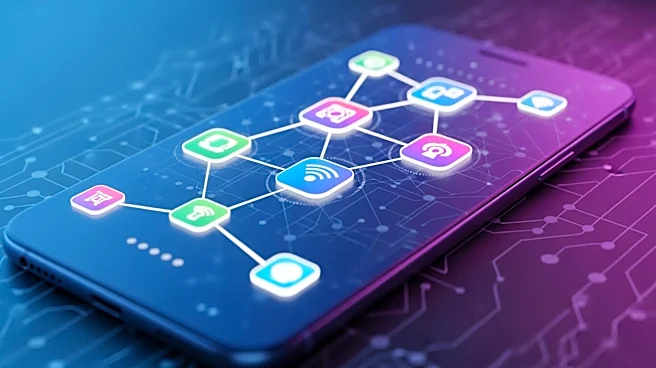
Gemini Live, a feature on Android, has undergone a redesign as part of the Neural Expressive update, allowing it to integrate with a broader range of first- and third-party 'Connected Apps.' This update enhances
the user experience by enabling seamless transitions between typing quick questions and engaging in more in-depth conversations without interruption. Previously, Gemini Live was limited to integration with Google Calendar, Tasks, Keep, and Maps, along with third-party apps from brands like Samsung and Xiaomi. The new update expands this list to include Google Home, Hotels, Flights, Workspace, Image generation, Shopping, Utilities, YouTube, and YouTube Music, as well as Spotify. This expansion brings Gemini Live closer to the capabilities of the main Gemini app, although it still lacks the ability to send messages, a feature anticipated since the Made by Google 2024 event.
Why It's Important?
The expansion of Gemini Live's integration capabilities is significant as it enhances the functionality and user experience of Android devices, making them more versatile and user-friendly. By supporting a wider array of apps, users can manage more aspects of their digital lives through a single interface, potentially increasing productivity and convenience. This move also positions Google to better compete with other tech giants by offering a more integrated and seamless ecosystem. For businesses and developers, this could mean increased opportunities for app integration and user engagement, as well as potential growth in user base and app usage.
What's Next?
As Gemini Live continues to evolve, further updates may include additional app integrations and features, such as the anticipated messaging capability. This could lead to increased adoption and reliance on the platform by users. Developers and businesses might also explore new ways to leverage these integrations to enhance their services and reach. Google's ongoing enhancements to Gemini Live could prompt competitive responses from other tech companies, potentially leading to a broader trend of increased app integration across platforms.