





What's Happening?
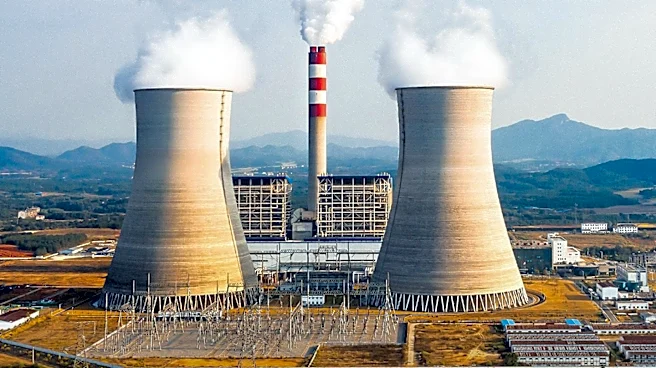
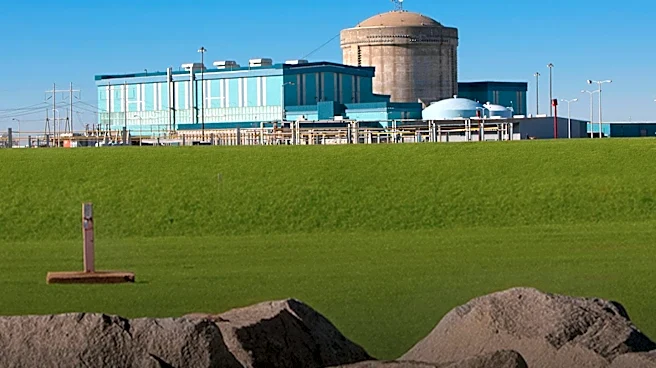
Italian Prime Minister Giorgia Meloni is pushing for the reintroduction of nuclear power in Italy, citing energy security and climate change as primary motivations. The government is focusing on small modular reactors and advanced technologies to provide
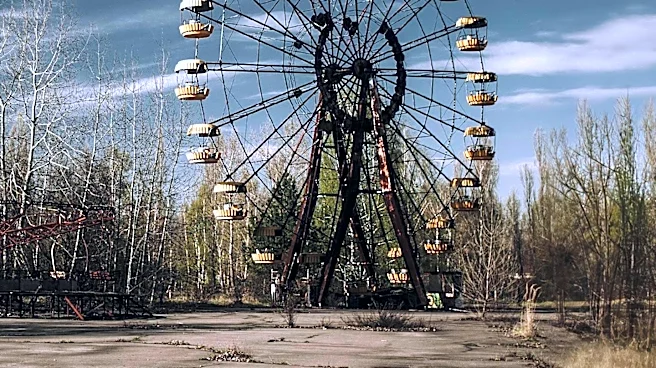
low-carbon electricity. This move comes four decades after the Chernobyl disaster, which led to Italy's abandonment of nuclear power. The government is betting on a new generation of Italians who view nuclear energy as a tool for stable energy supplies and climate change mitigation. The initiative is part of a broader strategy to diversify Italy's energy sources amid rising electricity demand and geopolitical tensions.
Why It's Important?
The reintroduction of nuclear power in Italy could significantly impact the country's energy landscape, providing a stable and low-carbon energy source. This move aligns with global trends where countries are revisiting nuclear options to meet climate goals and energy security needs. The initiative could reduce Italy's reliance on fossil fuels and enhance its energy independence, especially in light of recent geopolitical tensions affecting energy supplies. However, the plan faces challenges, including public skepticism rooted in past nuclear accidents and the economic feasibility of new nuclear technologies.
What's Next?
The Italian Parliament is expected to approve legislation establishing a framework for next-generation nuclear technologies. The government will have 12 months to draft implementing decrees covering reactor licensing, safety standards, and waste management. The first reactors could begin operating by 2033-2035. The plan may face opposition from environmental groups and local communities, particularly concerning reactor siting and waste storage. A new referendum could be called if specific reactor locations and waste-storage plans emerge, potentially impacting the project's progress.