







What's Happening?
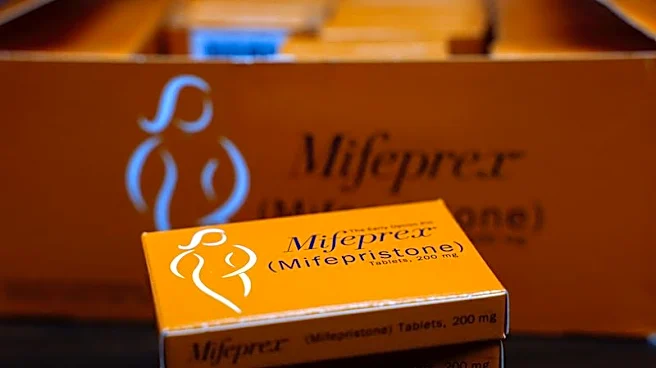
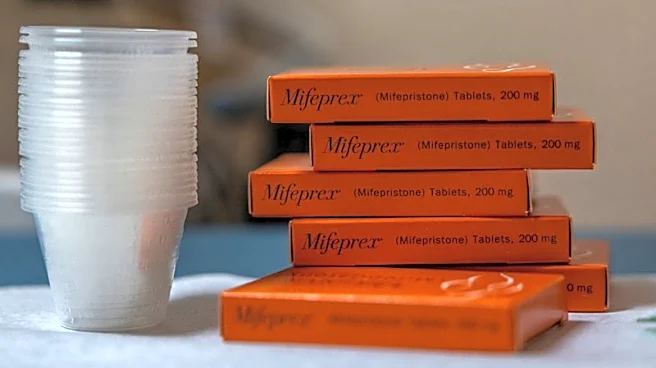
The U.S. Supreme Court has upheld the availability of mifepristone, an abortion medication, to be dispensed by mail, following a legal challenge from Louisiana. The state argued that the FDA's rules allowing remote prescription of mifepristone interfered
with its abortion ban. The Fifth Circuit had previously ruled in favor of Louisiana, effectively banning mail-order mifepristone nationwide. However, the Supreme Court, in a 7-2 decision, granted a temporary stay, allowing the medication to remain available by mail. The case, Louisiana v FDA, is expected to return to the court on an official appeal. The decision comes amid ongoing legal challenges following the Dobbs decision, which overturned Roe v Wade.
Why It's Important?
This ruling is crucial as it maintains access to mifepristone, which accounts for approximately two-thirds of abortions in the U.S. The decision underscores the ongoing legal and political battles over abortion rights in the country. By allowing mail-order access, the Supreme Court's decision supports the FDA's authority to regulate medications nationwide, potentially preventing individual states from imposing restrictions that could limit access to essential healthcare. The case also highlights the tension between state and federal regulations, with significant implications for the pharmaceutical industry and reproductive rights.
What's Next?
The case will likely return to the Supreme Court for a full hearing, which could result in a more definitive ruling on the legality of mail-order abortion medications. Meanwhile, abortion providers are preparing to offer alternative medication regimens, such as misoprostol alone, in case of future restrictions. The FDA plans to continue its safety review of mifepristone and provide updates on key milestones. The decision may also prompt further legislative actions from both supporters and opponents of abortion rights, potentially influencing future state and federal policies.