





What's Happening?
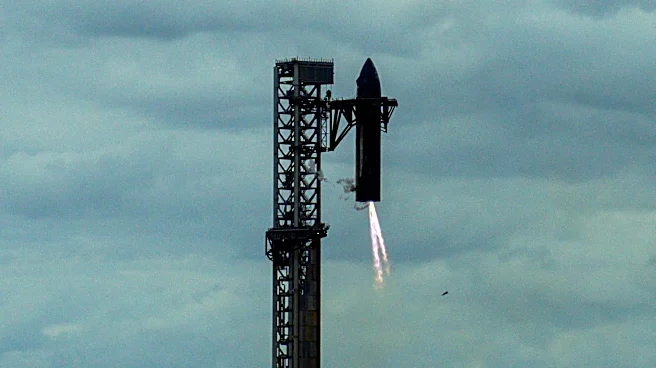
Mexico's Federal Attorney for Environmental Protection (Profepa) announced it will demand that SpaceX take responsibility for debris that has begun washing ashore on Playa Bagdad in Matamoros. This debris is a result of an explosion during a SpaceX test
on November 13. Profepa inspectors are currently on-site to identify the materials, with initial fragments reported in Mexican waters around 7:30 AM. The National Commission of Natural Protected Areas (Conanp) and Conibio Global are also participating in the efforts. Profepa plans to collect and secure the residues and will seek to ensure the U.S. company assumes responsibility for the materials that have reached Mexican territory. This incident follows a previous occurrence on September 28, after Starship Flight 14, when Conibio Global members collected over 200 fragments from Playa Bagdad, raising concerns about potential risks to marine wildlife and fishing activities. The Secretariat of the Navy is also monitoring the area, and authorities have urged the public not to handle any fragments found and to report them through official channels.
Why It's Important?
This development highlights the international environmental responsibilities of private space companies like SpaceX, particularly when their operations impact neighboring countries. The demand for accountability from Profepa underscores the cross-border implications of space launches and tests, which can lead to environmental contamination and potential ecological damage. The involvement of multiple Mexican environmental agencies, including Conanp and Conibio Global, signals a serious concern for marine ecosystems and local fishing industries. If SpaceX is held responsible, it could set a precedent for how space debris is managed and how companies are held liable for environmental impacts beyond national borders. This situation also brings to light the ongoing challenges of managing space-related waste and ensuring that technological advancements do not come at the expense of environmental integrity, especially in sensitive coastal areas.
What's Next?
Profepa will proceed with collecting and securing the debris found on Playa Bagdad. The agency is expected to formally engage with SpaceX to establish responsibility and discuss remediation efforts. This will likely involve negotiations between the Mexican authorities and SpaceX regarding the scope of the company's liability, including potential costs for cleanup and any environmental restoration. The incident may also prompt increased scrutiny from international environmental organizations and could lead to discussions about stricter international regulations for space debris management and cross-border environmental impact assessments for space launch activities. Local communities and environmental groups will likely continue to monitor the situation and advocate for comprehensive solutions to prevent future occurrences and mitigate ecological risks.
Beyond the Headlines
The recurring issue of SpaceX debris washing ashore in Mexico after Starship tests points to a broader challenge in the rapidly expanding commercial space industry: the management of environmental externalities. While space exploration offers significant technological advancements, the physical footprint of these activities, particularly during test failures or re-entries, can have tangible impacts on terrestrial and marine environments. This situation raises ethical questions about the distribution of environmental burdens, where the benefits of space innovation are often concentrated in one nation, while the environmental costs can be borne by others. It also highlights potential gaps in international environmental law concerning space activities and the need for more robust bilateral or multilateral agreements to address transboundary pollution from space launches. The incident could serve as a catalyst for a more comprehensive global dialogue on sustainable space practices and the establishment of clear protocols for accountability and remediation.