




What's Happening?
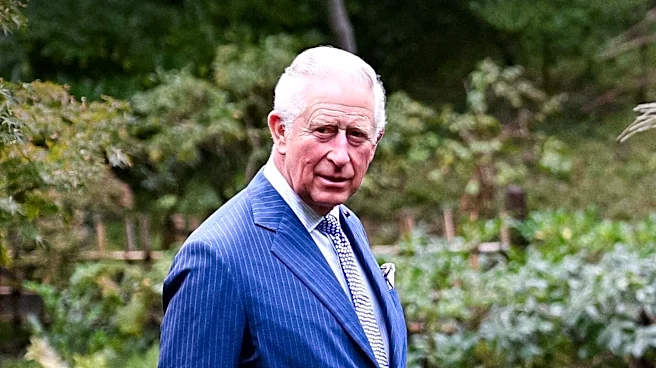
King Charles has received concerning news regarding the Royal Automobile Club, of which he is a patron. An alarming statement issued by chairman Duncan Wiltshire indicates a growing number of incidents involving improper conduct by members. These incidents include
rudeness to employees, use of profanity, and inappropriate comments. The misbehavior is not limited to interactions with staff, as there is also an increasing number of disciplinary cases stemming from members being rude and disrespectful to each other. A longstanding member at the club's annual general meeting noted the significant pressure staff are under, attributing it to certain types of members. Prince Michael of Kent serves as the president of the prestigious private members' club, located in Pall Mall.
Why It's Important?
This situation highlights potential challenges within exclusive social institutions, even those with royal patronage. The reported increase in member misconduct could damage the reputation of the Royal Automobile Club, which is considered one of the most prestigious private members' clubs globally. Such issues can lead to a decline in membership satisfaction, staff morale, and the overall prestige associated with the club. For similar high-profile organizations, maintaining decorum and upholding standards of conduct among members is crucial for their long-term viability and public image. The involvement of King Charles as a patron and Prince Michael of Kent as president means these issues could reflect on the broader perception of institutions associated with the British Royal Family, emphasizing the importance of addressing such internal challenges effectively.
What's Next?
The chairman, Duncan Wiltshire, has already issued a warning to members regarding the increasing incidents of improper conduct. It is likely that the club's management will implement stricter enforcement of its codes of conduct and potentially review its disciplinary procedures to address the rising misbehavior. This could involve clearer communication of expected standards, increased monitoring, or more severe penalties for violations. The discussion at the annual general meeting suggests that members are aware of the problem, which may lead to internal initiatives to foster a more respectful environment. The club will need to demonstrate effective measures to mitigate these issues to maintain its esteemed status and ensure a positive experience for both members and staff.
Beyond the Headlines
The reported decline in civility within an exclusive club like the Royal Automobile Club could be indicative of broader societal trends regarding respect and conduct. While seemingly a localized issue, it raises questions about the erosion of traditional etiquette and the challenges of maintaining behavioral standards in private and public spheres. The pressure on staff, as noted by a member, also underscores the often-overlooked emotional labor performed by service industry workers, even in high-end establishments. This situation could prompt a wider reflection on the responsibilities of members within such organizations and the role of leadership in fostering a culture of mutual respect, extending beyond the immediate confines of the club to other social and professional environments.