


What's Happening?
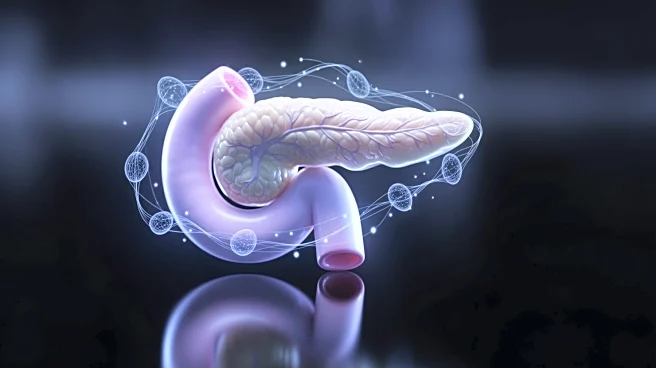
Pancreatic cancer, traditionally seen as a disease affecting older adults, is increasingly being diagnosed in younger populations, according to recent reports. Doctors are observing a shift in the demographics of patients, with more cases appearing in individuals
in their 30s and 40s. This trend is concerning due to the cancer's reputation for being difficult to detect early, as its initial symptoms are often vague and easily dismissed. Symptoms such as back pain, indigestion, and fatigue are common but not immediately alarming, leading to late diagnoses when the disease has often spread beyond the pancreas. The American Cancer Society notes a rise in pancreatic cancer diagnoses among younger adults, with a 4.3% annual increase in those aged 15 to 34 and a 1.5% increase in those aged 35 to 54 from 2000 to 2021.
Why It's Important?
The increase in pancreatic cancer cases among younger adults is significant because it challenges existing perceptions of the disease and highlights the need for heightened awareness and early detection strategies. Pancreatic cancer is notoriously lethal, with a low five-year survival rate, making early diagnosis crucial for improving outcomes. The shift in patient demographics suggests that lifestyle factors such as obesity, smoking, and possibly environmental exposures may be contributing to this trend. This development underscores the importance of public health initiatives focused on prevention and early detection, as well as the need for research into the underlying causes of this shift.
What's Next?
Medical professionals are advocating for increased awareness of pancreatic cancer symptoms among younger populations and are calling for more research into the factors contributing to the rise in cases. There is also a push for advancements in diagnostic techniques to enable earlier detection. As the medical community continues to study this trend, there may be changes in screening recommendations and public health policies aimed at reducing risk factors associated with pancreatic cancer.
Beyond the Headlines
The rise in pancreatic cancer among younger adults may have broader implications for healthcare systems, including the need for more resources dedicated to cancer treatment and research. It also raises questions about the role of environmental and lifestyle factors in cancer development, potentially leading to changes in dietary and lifestyle recommendations. Additionally, the trend highlights the importance of genetic research, as inherited mutations are known to increase pancreatic cancer risk.