







What's Happening?
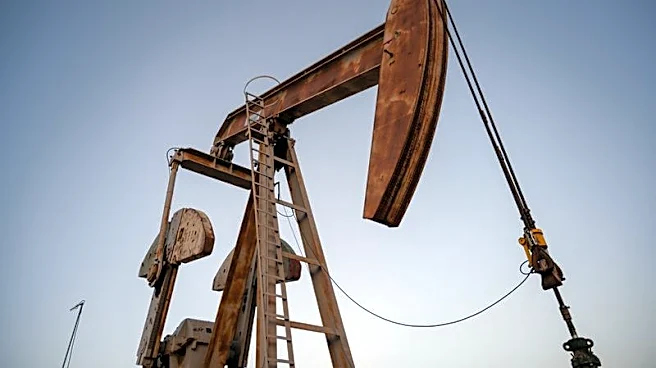
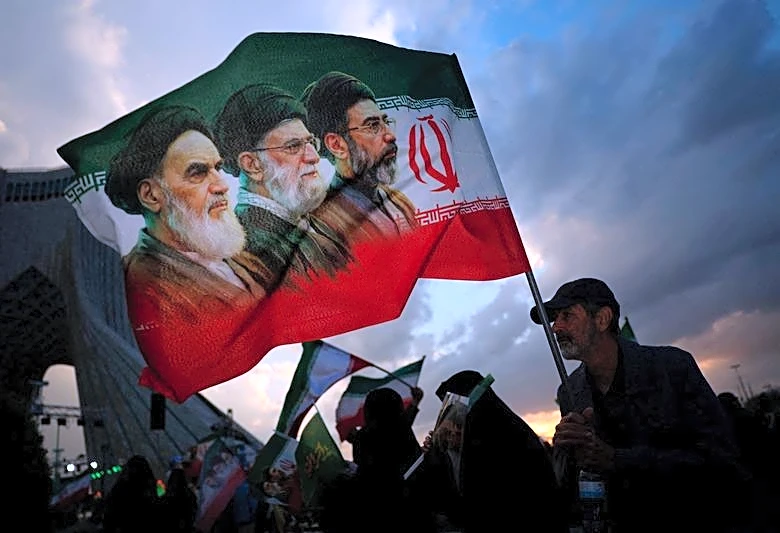
A coalition of nearly 60 governments met in Santa Marta, Colombia, to discuss transitioning away from fossil fuels. This conference comes as oil prices have surged following President Trump's warning of a prolonged blockade of Iranian ports, which has
raised fears of a global recession. The coalition aims to develop roadmaps for reducing fossil fuel dependency, with the International Energy Agency's executive director, Fatih Birol, noting that the war has permanently altered the fossil fuel industry. The conference reflects a growing global momentum towards renewable energy, despite short-term profits for oil and gas companies.
Why It's Important?
The formation of this alliance is crucial as it represents a significant shift in global energy policy, driven by geopolitical tensions and economic pressures. The rising oil prices and potential recession highlight the vulnerabilities of relying on fossil fuels. By focusing on renewable energy, the coalition seeks to mitigate these risks and promote sustainable economic growth. This transition could lead to increased investment in nuclear power and renewables, potentially reducing global carbon emissions and fostering energy independence for participating countries.
What's Next?
The coalition plans to meet annually to continue developing and implementing strategies for reducing fossil fuel reliance. This ongoing collaboration may influence global energy markets and encourage other nations to join the transition. The success of this initiative could depend on the ability to balance interests between major fossil fuel producers and emerging renewable energy leaders. Additionally, the coalition's efforts may face challenges from countries with significant fossil fuel investments, requiring diplomatic negotiations and policy adjustments.