








What's Happening?
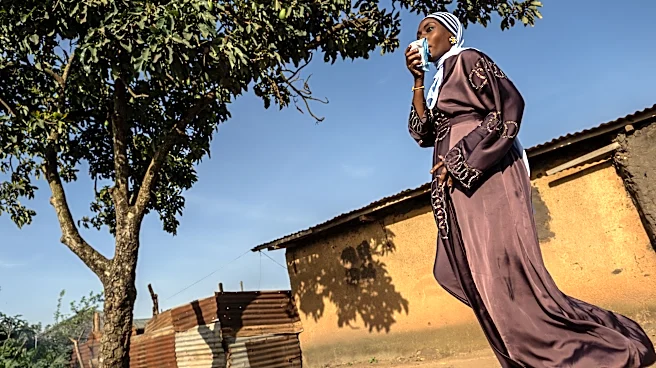
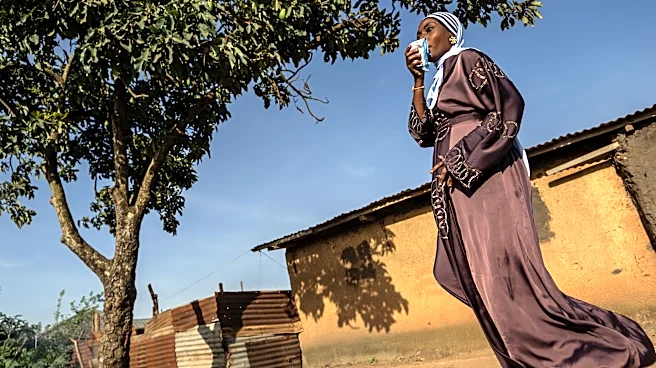
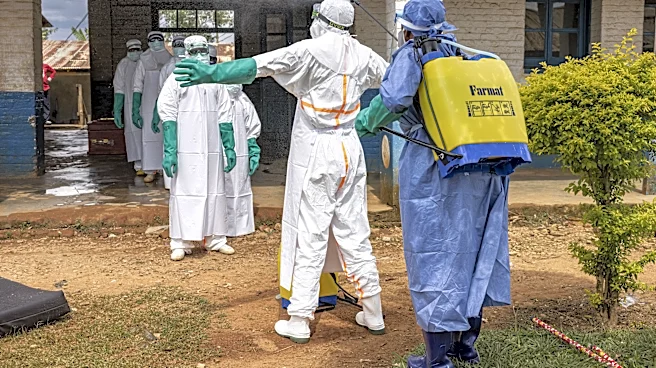
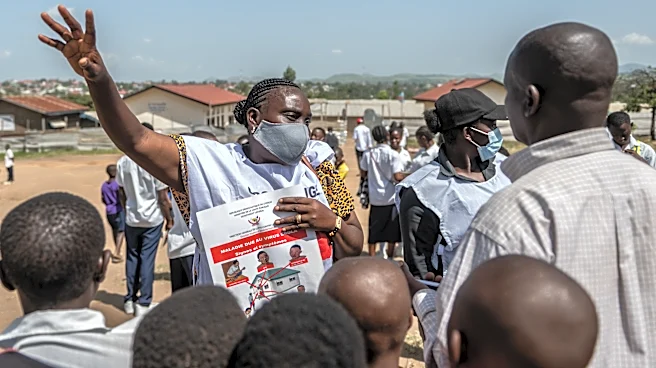
Uganda has closed its border with the Democratic Republic of the Congo in response to a surge in Ebola cases. The decision, made by a local Ebola task force, aims to prevent the spread of the virus, which has already resulted in over 220 deaths in Congo.
The closure comes despite WHO advice against such measures, citing the risk of unmonitored crossings. Uganda has reported seven Ebola cases, with concerns about health workers' exposure to the virus.
Why It's Important?
The border closure reflects the challenges faced by countries in managing cross-border health threats. While intended to prevent the spread of Ebola, such measures can disrupt trade and movement, potentially leading to economic and social consequences. The decision also highlights the tension between national health security and international guidelines, as countries balance local needs with global health recommendations. The situation underscores the importance of coordinated international efforts to address health emergencies.
What's Next?
Uganda's decision may prompt other countries to consider similar measures, potentially affecting regional stability and cooperation. The WHO and other international bodies may need to engage with affected countries to ensure effective outbreak management while minimizing disruptions. Continued monitoring and support from the global health community will be essential to contain the outbreak and prevent further spread. The situation may also lead to discussions on improving cross-border health collaboration and preparedness.