





What's Happening?
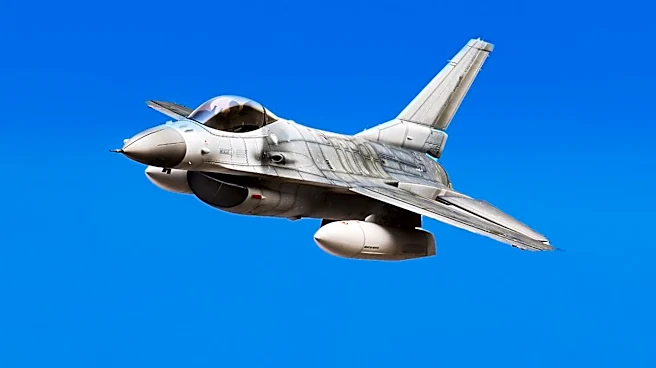
Turkish F-16 fighter jets and personnel from the 181st Jet Squadron Command have been deployed to Estonia's Ämari Air Base as part of NATO's Baltic air policing mission. This deployment, which began on August 1, 2026, involves five F-16s and 76 personnel from the Turkish Air Force.
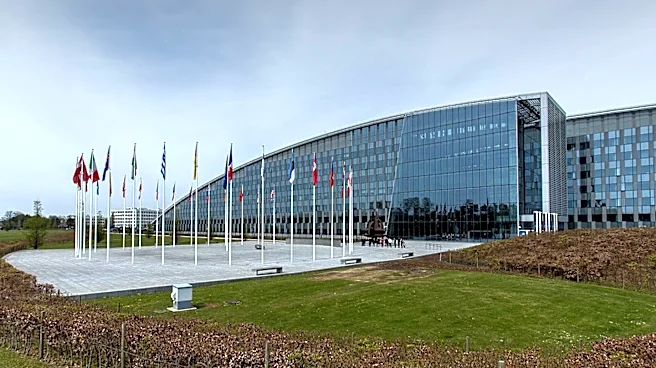
The mission is a peacetime air defense activity under NATO's collective airspace protection framework, aimed at securing the airspace of Estonia, Latvia, and Lithuania. These countries do not operate their own fighter jets, making NATO's presence crucial for their airspace security. The Turkish contingent took over the mission from Portugal, marking the first time Turkey's air force has participated in this capacity in Estonia. The mission will run until November 30, 2026, and involves maintaining a 24/7 alert-reaction duty to respond to potential airspace violations.
Why It's Important?
This deployment is significant as it underscores NATO's commitment to protecting its eastern flank, particularly in the Baltic region, which is strategically important due to its proximity to Russia. The mission enhances international deterrence and strengthens joint operations among NATO allies. For Turkey, participating in this mission provides strategic benefits, including increased international presence and operational experience in a critical region. The mission also reflects NATO's evolving strategy in the Baltic, transitioning from air policing to a more robust air defense posture, which is crucial given the increased frequency of encounters with non-NATO aircraft in the region.
What's Next?
Following the current deployment in Estonia, Turkey is scheduled to undertake another air-policing mission in Romania from December 2026 through March 2027. This continued involvement in NATO missions highlights Turkey's active role in the alliance's defense strategy. The Baltic air policing mission is expected to continue evolving, with NATO allies rotating responsibilities every four months. This ensures readiness to respond to any changes in the threat landscape, allowing for rapid deployment of additional forces if necessary. The mission's success will depend on the continued cooperation and coordination among NATO member states.