

What's Happening?
The U.S. Environmental Protection Agency (EPA) has transferred the responsibility of hazardous waste regulation to the Alaska Department of Environmental Conservation. This move makes Alaska the 49th state to manage its own hazardous waste program. The state will
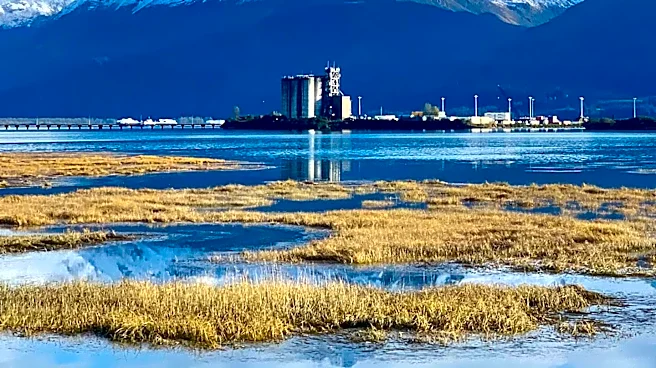
oversee the generation, transportation, treatment, storage, and disposal of hazardous waste. The transition is expected to address Alaska's unique challenges, such as the transportation of hazardous materials out of state, which often exceeds the federal 45-day disposal requirement. The state has adopted new regulations that largely mirror federal rules, with some adjustments to accommodate local needs, such as categorizing commercial electronic waste as universal waste to ease transportation.
Why It's Important?
This transition allows Alaska to tailor its hazardous waste management to better suit its geographical and logistical challenges. By managing its own program, the state can implement regulations that are more aligned with its specific needs, potentially improving efficiency and compliance. The change also reflects a broader trend of states taking more control over environmental regulations, which can lead to more localized and effective management. However, it also places the responsibility and financial burden on the state, which will need to ensure adequate resources and staffing to manage the program effectively.
What's Next?
Alaska will need to monitor the implementation of its new hazardous waste program to ensure it meets both state and federal standards. The state plans to allow longer transportation times for hazardous waste, which may require adjustments in logistics and coordination with disposal facilities. The program's success will depend on effective management and the ability to address any emerging challenges. Stakeholders, including businesses and environmental groups, will likely be involved in ongoing discussions to optimize the program's effectiveness and sustainability.