
What's Happening?
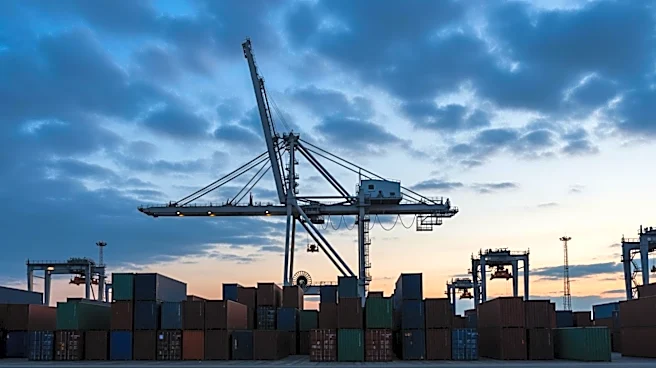
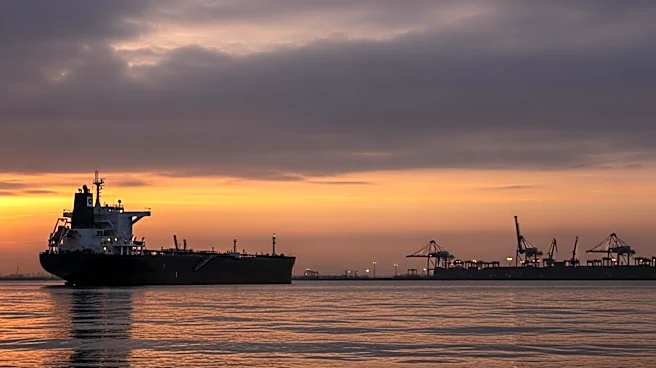
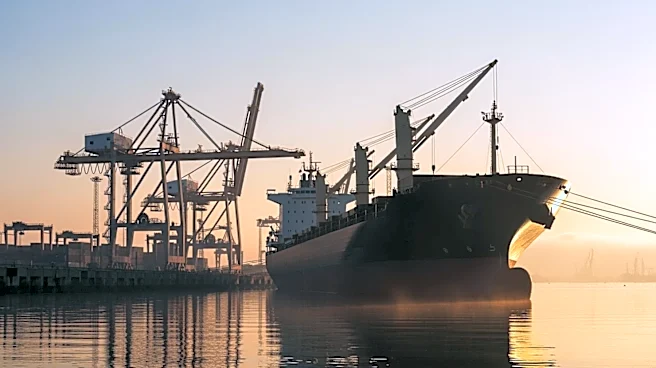
Ports of Indiana-Burns Harbor marked the beginning of the 2026 international shipping season with the arrival of the Ocean7 Ranger. This vessel completed a 52-day journey, delivering equipment for upgrades
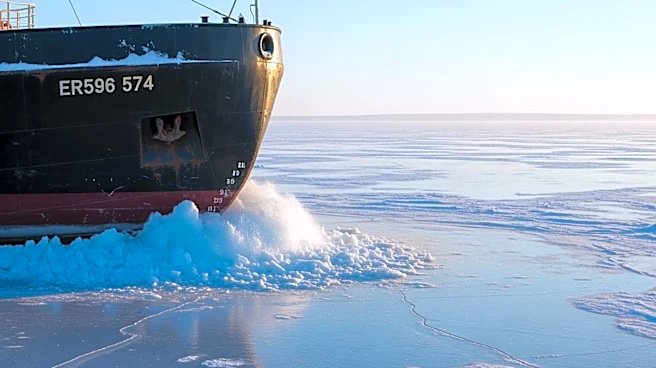
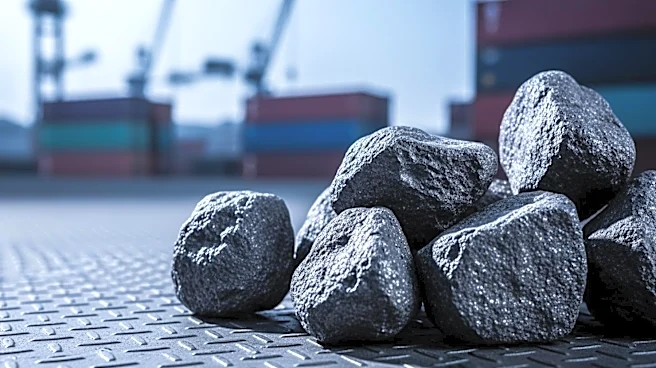
at U.S. Steel Gary Works, the largest integrated steel mill in North America. The St. Lawrence Seaway, which opened on March 22, experienced one of its shortest winter closures, lasting only 69 days. To celebrate the occasion, Burns Harbor Port Director Ryan McCoy presented the 'Steel Stein' to Captain Ilia Kalachov of the Ranger, highlighting Northwest Indiana's significance as 'The Steel Capital of North America.' The Ocean7 Ranger, managed by HAMMONIA Reederei, traveled from Kaohsiung, Taiwan, through the Pacific Ocean, Panama Canal, Atlantic Ocean, and Great Lakes-St. Lawrence Seaway. The vessel delivered a 63-ton dewatering drum, which will be transported to U.S. Steel. The port handles over 2 million tons of cargo annually, including steel, limestone, and iron ore.
Why It's Important?
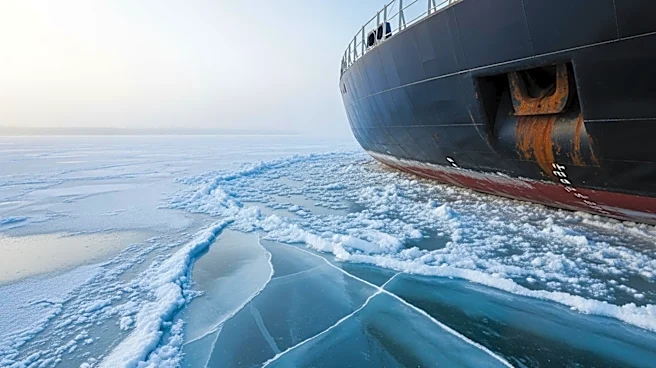
The arrival of the Ocean7 Ranger at Burns Harbor signifies the strategic importance of the Great Lakes and the St. Lawrence Seaway in facilitating international trade. The short winter closure of the Seaway underscores the potential for extended shipping seasons, which could boost regional economies and enhance trade routes. The delivery of equipment to U.S. Steel Gary Works highlights the ongoing investment in infrastructure and the steel industry's role in the U.S. economy. The port's ability to handle significant cargo volumes supports local employment and economic activity, particularly in the steel and related industries. Calls for new technologies and icebreaking capabilities to extend the shipping season could further enhance the competitiveness of Great Lakes ports.
What's Next?
Future developments may include increased investment in infrastructure and technology to extend the shipping season on the St. Lawrence Seaway. This could involve the implementation of advanced icebreaking capabilities and other innovations to support year-round operations. Such enhancements would likely attract new shipping lines and boost trade, benefiting regional economies. Stakeholders, including port authorities and industry groups, may advocate for policy changes and funding to support these initiatives. The continued growth of the steel industry and related sectors could drive further demand for efficient and reliable shipping routes through the Great Lakes.