



What's Happening?
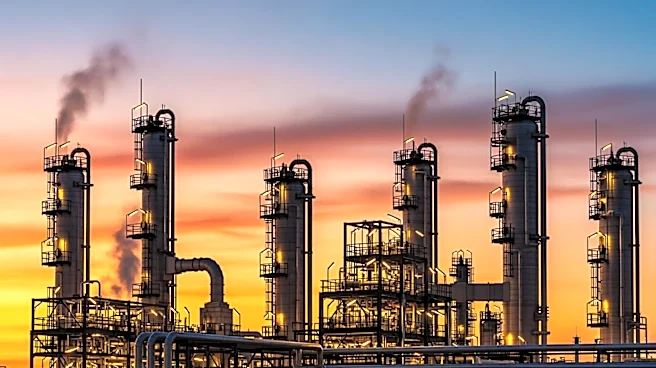
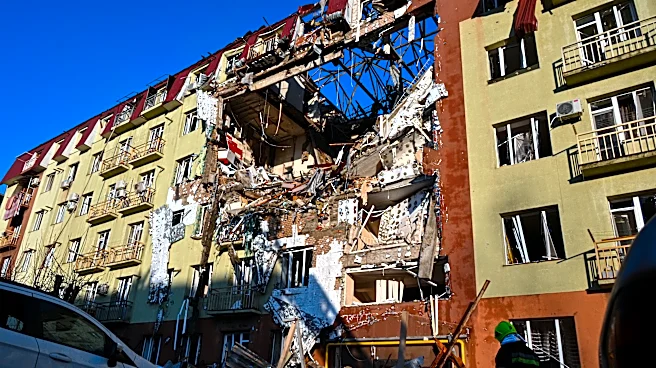
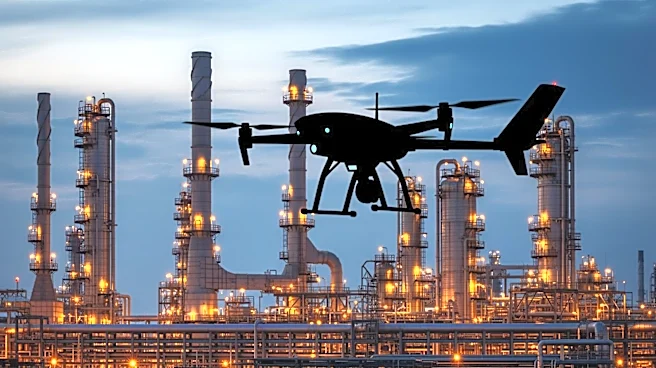
On April 11, Ukrainian armed forces conducted strikes on oil facilities located in Russia and Russian-occupied Crimea. The targeted sites included the Krymskaya oil pumping station in Russia's Krasnodar Krai and the Gvardiyskaya oil depot in Crimea. These
actions were part of a broader strategy by Ukraine to disrupt logistical and critical infrastructure supporting Russian military operations. Prior to Ukraine's official confirmation, Russian authorities reported a fire at an oil depot in the Krasnodar region, attributing it to drone debris. Additionally, Ukrainian forces targeted ammunition warehouses and drone control points in various regions, including Donetsk, Zaporizhzhia, and Kherson. Russia's Defense Ministry claimed to have intercepted 99 Ukrainian drones across several regions, including occupied Crimea and the Black Sea.
Why It's Important?
The strikes on oil facilities are significant as they aim to weaken Russia's military capabilities by targeting critical infrastructure. Oil depots are vital for fueling military operations, and their disruption can hinder logistical support for Russian forces. This action reflects Ukraine's ongoing efforts to counter Russian aggression and reduce its offensive potential. The conflict has broader implications for international relations and regional stability, as it continues to draw attention from global powers and impact geopolitical dynamics. The strikes also highlight the persistent tensions and military engagements between Ukraine and Russia, with potential consequences for energy security and economic stability in the region.
What's Next?
The ongoing conflict between Ukraine and Russia is likely to see further military engagements and strategic strikes. Ukraine may continue targeting infrastructure deemed critical to Russian military operations, while Russia is expected to enhance its defensive measures against such attacks. The international community may respond with diplomatic efforts to de-escalate tensions, although the situation remains complex. Monitoring developments in the region will be crucial for understanding the evolving dynamics and potential shifts in military strategies.
Beyond the Headlines
The strikes on oil facilities underscore the strategic importance of energy infrastructure in modern warfare. Disrupting such facilities can have long-term implications for military logistics and operational capabilities. Additionally, the conflict raises ethical and legal questions regarding the targeting of infrastructure and the impact on civilian populations. The ongoing military actions may also influence global energy markets, affecting prices and supply chains. As the conflict persists, the humanitarian impact and the need for international intervention become increasingly pressing.