




What's Happening?
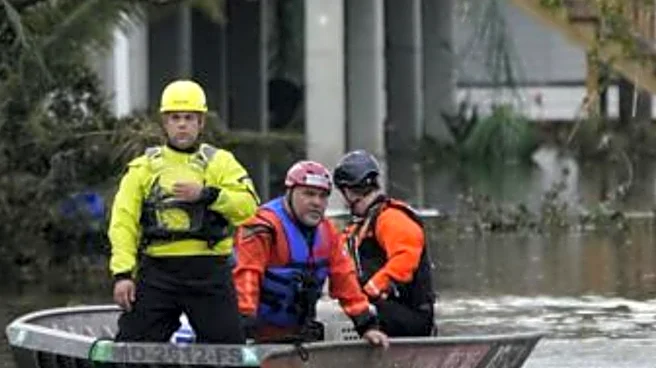
Members of Parliament in Nepal have called on the government to promptly organize rescue, relief, and rehabilitation for areas devastated by recent floods and landslides. During an 'urgent session' of the National Assembly meeting, MPs highlighted the extensive
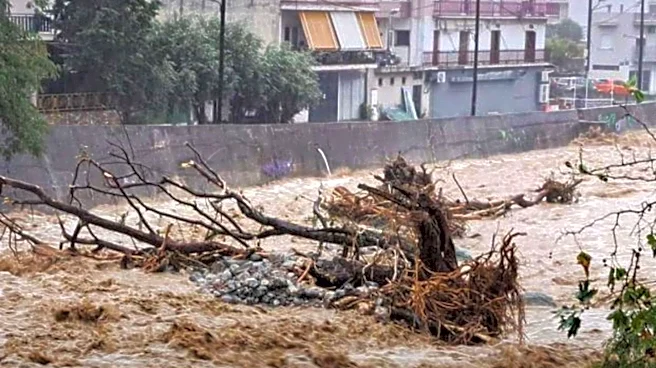
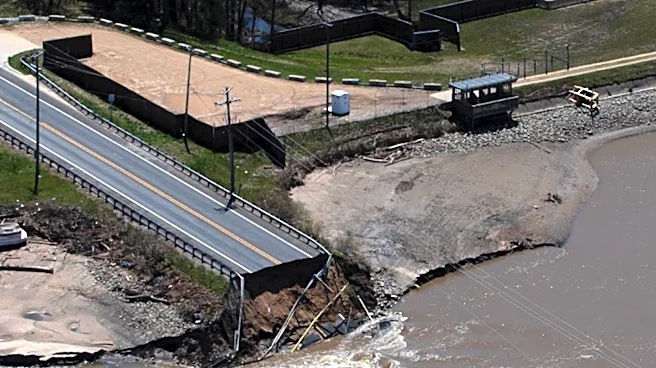
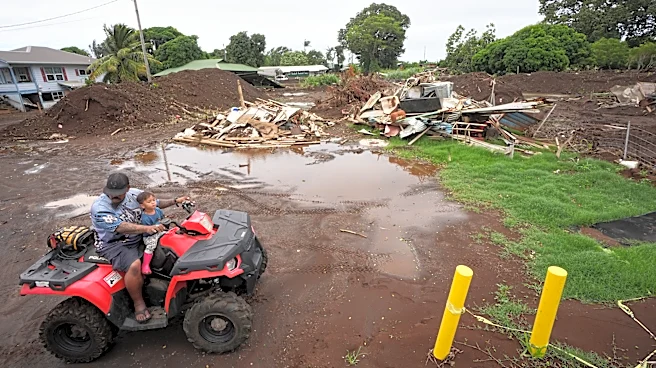
damage to lives, property, and infrastructure caused by four consecutive days of heavy rainfall across the country. Rajendra Lakshmi Gaire, a Nepali Communist Party member, specifically noted blocked roads in Palpa, resulting in both human and material losses, and extended condolences to affected families. CPN (UML) MP Samjhana Devkota demanded immediate repair and reopening of major highways and infrastructure in Manang, Gandaki Province, which were damaged by the floods. Pooja Chaudhary of the Janata Samajwadi Party Nepal urged the government to accelerate relief efforts and address the potential for a pandemic following the disaster. She also emphasized the need for timely assistance for flood victims in Rasuwa and measures to prevent price gouging and artificial shortages in markets.
Why It's Important?
The urgent calls from Nepalese MPs underscore the severe impact of natural disasters on the nation's infrastructure, economy, and public health. The destruction of roads and bridges can cripple supply chains, leading to shortages of daily necessities and potential price hikes, which disproportionately affect vulnerable populations. The concern raised about a potential pandemic highlights the public health risks associated with widespread displacement and damaged sanitation systems in the aftermath of such events. Furthermore, the disruption to key infrastructure, like highways, can impede economic activity and recovery efforts, making it difficult for affected regions to rebound. The parliamentary attention to these issues reflects a national recognition of the immediate humanitarian crisis and the long-term challenges to stability and development posed by these natural calamities.
What's Next?
Following the parliamentary appeals, the Nepalese government is expected to intensify its rescue and relief operations in the flood and landslide-affected areas. This will likely involve deploying more resources for search and rescue missions, providing humanitarian aid such as food, shelter, and medical supplies, and initiating rehabilitation programs for displaced communities. Efforts will also focus on the immediate repair of critical infrastructure, particularly main highways, to restore connectivity and facilitate the flow of goods and services. Additionally, the government will need to implement measures to prevent price manipulation and ensure market stability, especially with upcoming festivals. Public health initiatives will be crucial to mitigate the risk of a pandemic in the affected regions. The ongoing parliamentary oversight will likely continue to pressure the government for effective and timely responses.
Beyond the Headlines
The recurring nature of floods and landslides in Nepal, exacerbated by continuous heavy rainfall, points to deeper issues related to climate vulnerability and infrastructure resilience. The calls for immediate action, while critical, also highlight the need for long-term strategies in disaster preparedness, early warning systems, and climate-resilient infrastructure development. The impact on local markets and the potential for price hikes underscore the fragility of economic systems in the face of environmental shocks, disproportionately affecting the poor. The mention of a potential pandemic also brings to light the interconnectedness of environmental disasters with public health crises, emphasizing the need for integrated disaster management approaches that consider both immediate relief and sustained public health interventions. This situation could also prompt a re-evaluation of land-use planning and construction practices in vulnerable areas.