







What's Happening?
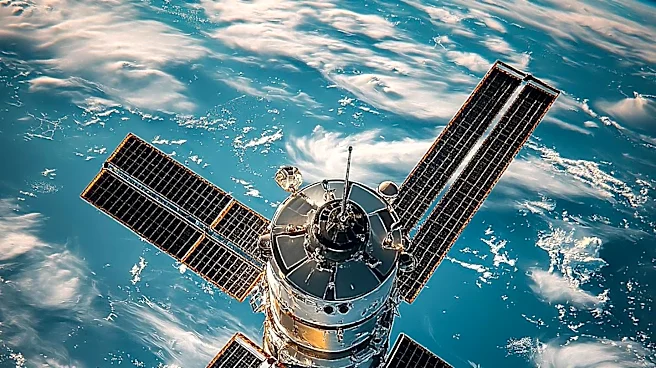
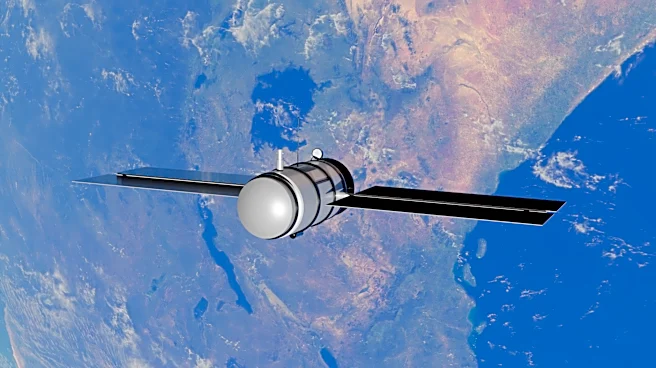
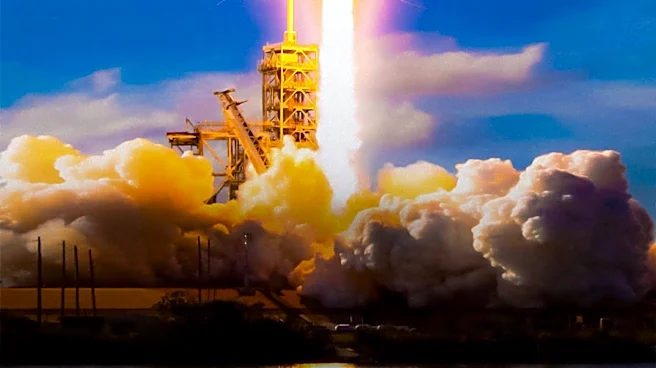
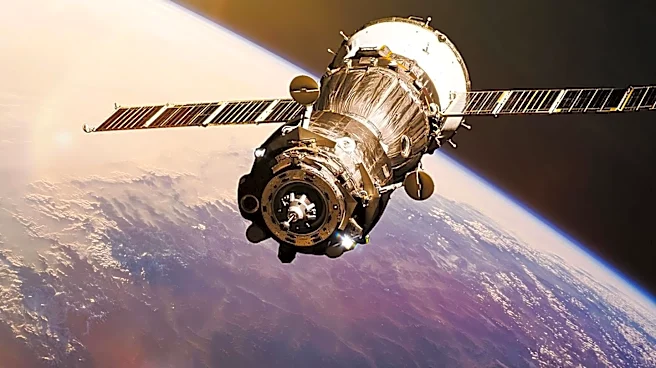
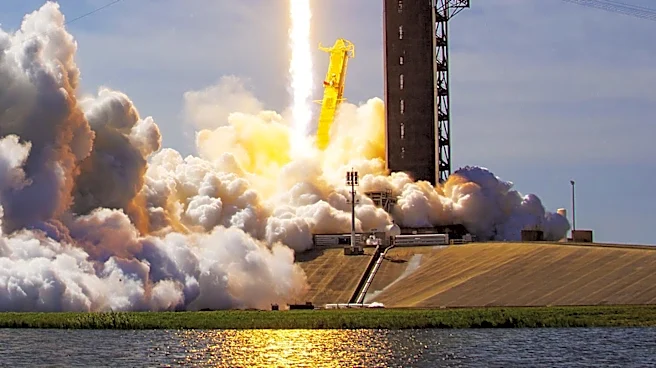
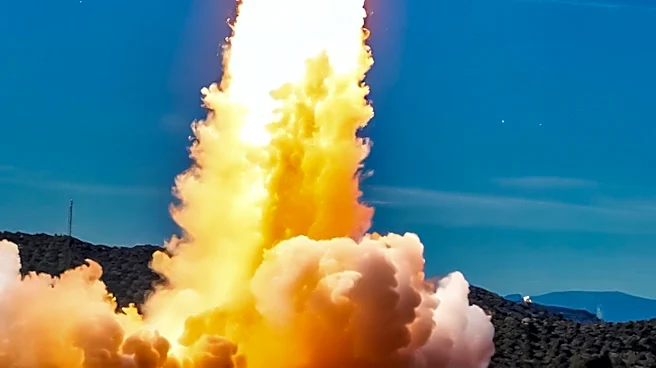
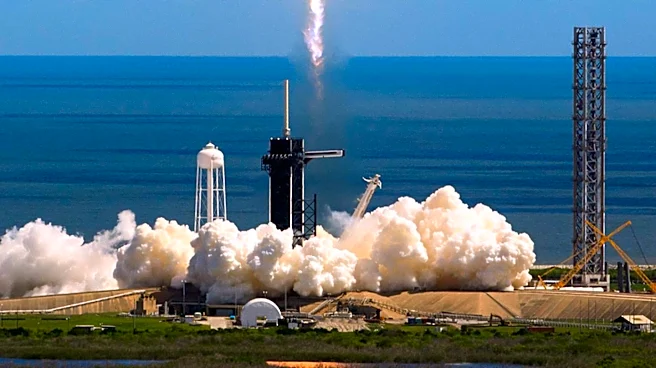
NASA has successfully launched the R5-S9 CubeSat aboard a SpaceX Falcon 9 rocket from Vandenberg Space Force Base in California. This launch is part of the Transporter-17 rideshare mission. The CubeSat, developed by NASA’s Johnson Space Center, is part of the R5 series,
which focuses on using commercial off-the-shelf components to reduce costs and improve efficiency in spacecraft development. The R5-S9 will test multiple technology prototypes in orbit, including an edge computing system for autonomous observation and a new optical communication system. The mission aims to refine processes and share findings with the small spacecraft community.
Why It's Important?
The R5-S9 mission represents a significant step in reducing the cost and time associated with space missions by utilizing commercial components. This approach could democratize access to space, allowing more organizations to participate in space exploration and research. The technologies tested could enhance capabilities in Earth observation and communication, potentially benefiting industries reliant on satellite data. The mission also supports NASA's goal of fostering innovation and collaboration with commercial partners, which could lead to more efficient and cost-effective space missions in the future.
What's Next?
The R5-S9 CubeSat will conduct in-orbit testing of its technologies, with results expected to inform future missions. NASA plans to continue developing the R5 series, incorporating lessons learned to further improve spacecraft design and operation. The findings from this mission will be shared with the broader small spacecraft community, potentially influencing future satellite development and deployment strategies. The success of this mission could lead to increased collaboration between NASA and commercial partners, further advancing space technology.