





What's Happening?
Congressmen Troy A. Carter, Sr. (D-LA), Mike Ezell (R-MS), and Salud Carbajal (D-CA) have introduced the Safeguarding Tomorrow through Ongoing Risk Mitigation FORTIFIED and Wildfire Prepared Act, also known as the STORM FORTIFIED and Wildfire Prepared Act.
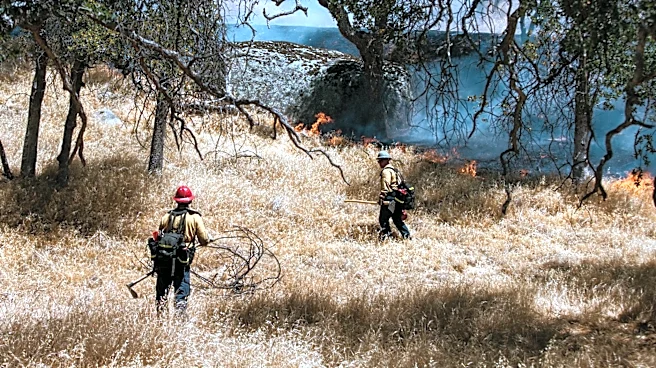
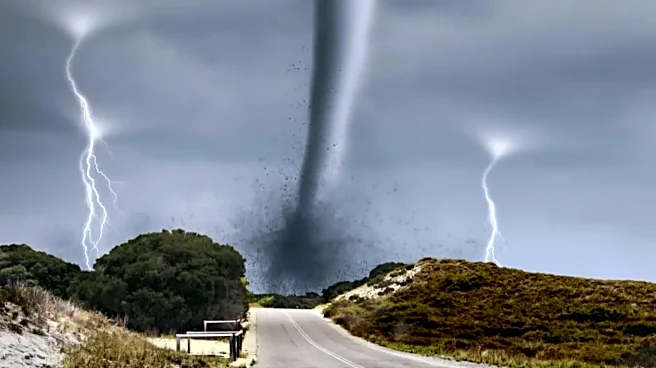
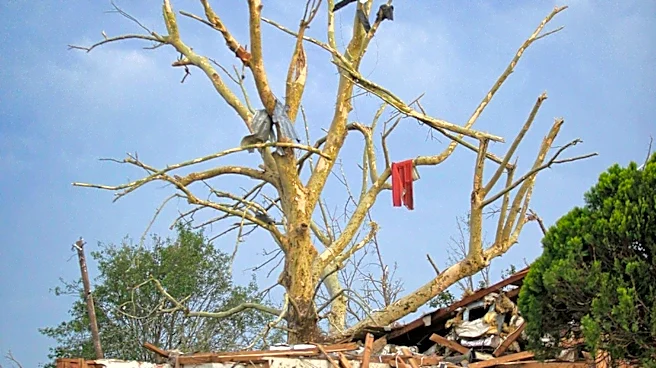
This bipartisan legislation aims to establish federal funding to assist states in financing homeowner mitigation projects. These projects would enable homes to achieve FORTIFIED Roof, FORTIFIED Home, and Wildfire Prepared Home certifications, which are designed to make properties more resilient to severe weather events such as hurricanes, hail, tornadoes, and wildfires. The ultimate goal is to help lower home insurance premiums for homeowners. Representative Carbajal highlighted that California, like other states, has experienced rising home insurance premiums due to natural disasters, and this bill offers support for homeowners to make their residences more resilient, thereby reducing costs and enhancing protection.
Why It's Important?
The introduction of the STORM FORTIFIED and Wildfire Prepared Act is significant given the current crisis in the American home insurance industry. Premiums have seen substantial increases nationally, with some states like Louisiana experiencing even higher surges. This rise is largely attributed to the increasing frequency and severity of natural disasters, escalating rebuilding costs, and insurers withdrawing from high-risk markets. The bill proposes a proactive approach by funding home hardening measures, which have been proven to lower rates and stabilize the industry. Homes certified to 'FORTIFIED and Wildfire Prepared Home' standards are demonstrably more storm-resistant, and insurers in over a dozen states offer significant discounts on premiums for such properties. This legislation could provide a crucial mechanism for homeowners to reduce their financial burden and protect their assets against the growing threat of extreme weather.
What's Next?
The STORM FORTIFIED and Wildfire Prepared Act proposes to authorize $100 million annually from FY 2027 to 2036 for FEMA to capitalize and recapitalize revolving loan funds for states. These funds would be exclusively used for homeowner mitigation grants. The bill also includes provisions for low-interest loans for mitigation projects, with the potential for these loans to be forgivable for homeowners with incomes below 120% of the area median income (AMI). Additionally, it allows states to provide mitigation grants to uninsured homeowners, enabling them to access the insurance market. FEMA would also be directed to promote insurer recognition of mitigation certifications for premium discounts. The next steps involve the legislative process, including committee reviews, potential amendments, and votes in both the House and Senate, to determine if the bill will be enacted into law.
Beyond the Headlines
Beyond the immediate financial relief for homeowners, this legislation addresses a deeper systemic issue: the increasing vulnerability of communities to climate change and extreme weather events. By incentivizing and funding home fortification, the bill promotes a shift from reactive disaster response to proactive risk mitigation. This approach could lead to more sustainable communities, reduce the long-term economic impact of natural disasters, and potentially alleviate the strain on federal disaster relief funds. The emphasis on certifications like 'FORTIFIED and Wildfire Prepared Home' also highlights the importance of science-based construction standards in enhancing resilience. This could foster innovation in building practices and materials, ultimately contributing to a more resilient national infrastructure in the face of evolving environmental challenges.