






What's Happening?
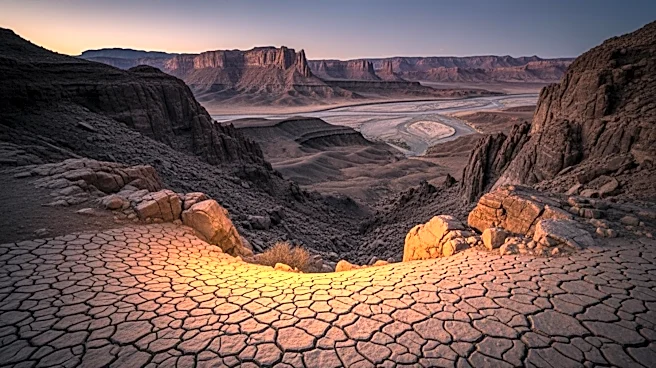
The Trump administration has announced a regulatory waiver to bypass federal environmental laws for the construction of border barriers in the Big Bend region of West Texas. This waiver applies to over 100 miles of the U.S.-Mexico border, including areas
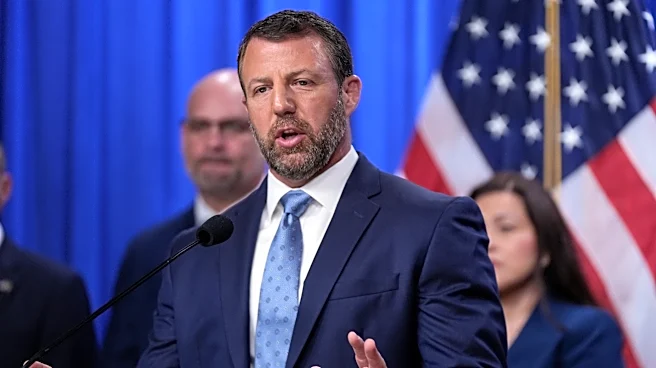
within Big Bend National Park and Big Bend Ranch State Park. Homeland Security's Markwayne Mullin stated that the waiver is necessary to expedite the construction of barriers and roads along the southern border. Despite assurances from U.S. Customs and Border Protection that a 30-foot steel wall will not be built in the parks, plans include vehicle barriers, surveillance technology, and road upgrades. The waiver has faced opposition from environmental groups and former park superintendents, who argue it threatens the natural landscape and disregards public opinion.
Why It's Important?
This development is significant as it highlights ongoing tensions between federal border security initiatives and environmental conservation efforts. The decision to bypass environmental laws could set a precedent for future infrastructure projects, potentially undermining environmental protections. The construction plans have sparked legal challenges and public outcry, reflecting broader national debates over border security and environmental stewardship. The outcome of this project could influence future policy decisions and impact the ecological integrity of protected areas along the border.
What's Next?
The Center for Biological Diversity and other advocacy groups plan to challenge the waiver in court, aiming to halt the construction plans. The legal battle could delay or alter the project's scope, depending on judicial rulings. Meanwhile, Customs and Border Protection will continue coordinating with various agencies to implement the planned infrastructure, balancing security objectives with environmental considerations. The situation remains fluid, with potential for further regulatory adjustments or public protests.