


What's Happening?
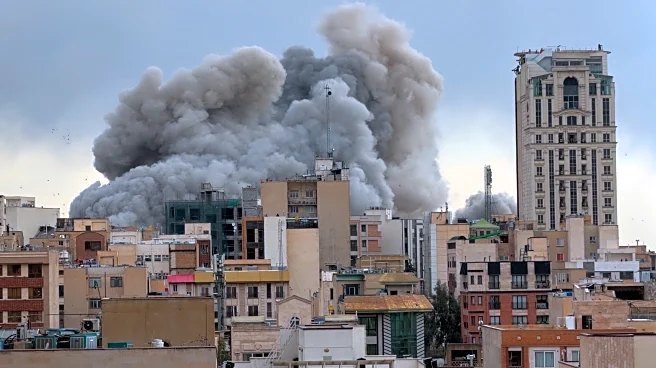
The ongoing conflict between Western allies and Iran has exposed significant challenges within the Western alliance. The United States and Israel are actively engaged in military actions against Iran, while European countries, including Spain and the UK,
have shown limited support. Spanish Prime Minister Pedro Sánchez has been criticized for his lack of support, including denying the U.S. use of Spanish bases. The article highlights the perceived ineffectiveness of European countries in contributing to the collective security efforts led by the U.S. and Israel. The situation underscores a broader crisis within the Western alliance, with only a few countries actively participating in the conflict.
Why It's Important?
The conflict with Iran and the response from Western allies have significant implications for international relations and global security. The limited support from European countries could weaken the collective security efforts against Iran, potentially emboldening adversarial nations like Russia and China. The situation also raises questions about the future of NATO and the ability of Western countries to act cohesively in addressing global threats. The lack of a unified response could lead to increased instability in the Middle East and beyond, affecting global economic and political dynamics.
What's Next?
The ongoing conflict is likely to continue, with the U.S. and Israel leading military efforts against Iran. The lack of European support may prompt the U.S. to reassess its alliances and strategies in dealing with global threats. The situation could also lead to increased tensions within NATO and the European Union, as member countries grapple with their roles in international security. The outcome of the conflict will likely influence future diplomatic and military strategies in the region.
Beyond the Headlines
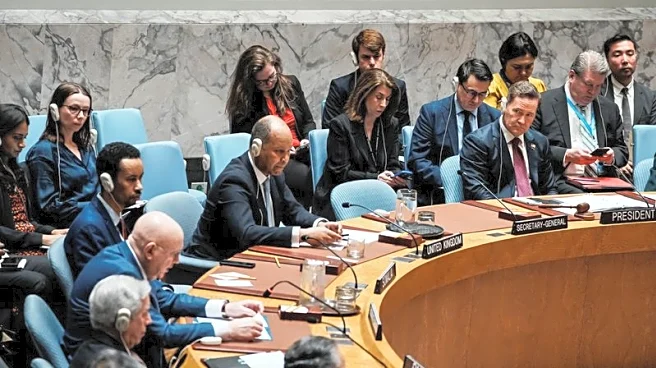
The conflict highlights deeper issues within the Western alliance, including differing priorities and capabilities among member countries. The situation underscores the need for a more cohesive and effective approach to global security challenges. It also raises ethical and legal questions about the use of military force and the role of international organizations like the United Nations in legitimizing such actions.