









What's Happening?
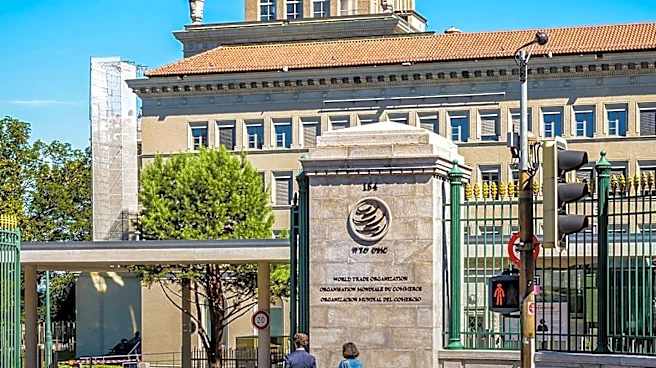
The World Trade Organization (WTO) is focusing on bolstering partnerships and action to address developing countries' sustainability priorities, particularly through initiatives like the Trade and Environmental Sustainability Structured Discussions (TESSD)
and the Dialogue on Plastic Pollution (DPP). This comes as developing economies and Least Developed Countries (LDCs) face a turbulent global trading system, financial constraints, and the escalating impacts of environmental crises, including climate change and plastic pollution. These initiatives aim to integrate sustainability considerations into trade policies and provide enhanced aid for trade to support developing countries in adapting to environmental challenges and seizing opportunities in the green transition. The 10th Global Review of Aid for Trade, held in Geneva on October 29-30, served as a critical platform to catalyze engagement on how aid for trade partnerships can better support these sustainability priorities, especially for vulnerable nations like LDCs, Small Island Developing States (SIDS), and Small, Vulnerable Economies (SVEs).
Why It's Important?
The emphasis on integrating sustainability into trade and providing aid for trade is crucial for the U.S. and global economic stability. Developing countries, despite bearing the least historical responsibility for environmental crises, are disproportionately affected by extreme weather events, biodiversity loss, and plastic pollution, leading to billions in economic losses and human suffering. Their ability to participate effectively in international trade and achieve sustainable development is directly linked to their capacity to address these environmental challenges. For the U.S., supporting these efforts can foster more stable global supply chains, reduce environmental risks that could impact international trade, and open new markets for green technologies and sustainable products. Failure to address these issues could lead to increased economic instability in developing nations, potentially impacting global trade flows and creating humanitarian crises that require international intervention.
What's Next?
The WTO's ongoing initiatives, such as TESSD and DPP, are expected to continue developing specific aid for trade-related outcomes, potentially for future Ministerial Conferences like MC15. These outcomes will likely focus on mobilizing financing, investment, and technical support to help developing countries implement trade and climate strategies, adapt to environmental changes, and build resilient supply chains. There will be continued efforts to break down silos between trade, climate, and finance discussions to drive more ambitious and inclusive action. The Coalition of Trade Ministers on Climate, comprising over 60 trade ministers, will also play a key role in advocating for trade-related technical assistance and capacity building. The focus will remain on ensuring that aid for trade is fit for purpose, addressing tomorrow's trade needs, and enabling developing countries to shape and respond to evolving regulatory frameworks and seize green market opportunities.
Beyond the Headlines
The discussions at the WTO highlight a deeper shift in global trade policy, moving beyond purely economic considerations to integrate environmental and social sustainability. This evolution reflects a growing recognition that economic prosperity cannot be decoupled from ecological health and social equity. The emphasis on 'just transitions' for developing countries underscores the ethical imperative to support nations that are most vulnerable to climate change, ensuring they are not left behind in the global shift towards a green economy. This also has legal implications, as international trade agreements may increasingly incorporate environmental standards and sustainability clauses. Culturally, it signifies a broader acceptance of shared responsibility for global environmental challenges and a move towards more collaborative, multilateral solutions, potentially reshaping the future of international economic relations and development aid.