





What's Happening?
Kerala is experiencing a significant increase in chikungunya cases, with 105 confirmed and 62 probable cases reported as of August 4, 2026. The majority of these cases are concentrated in Thiruvananthapuram, prompting health authorities to intensify mosquito
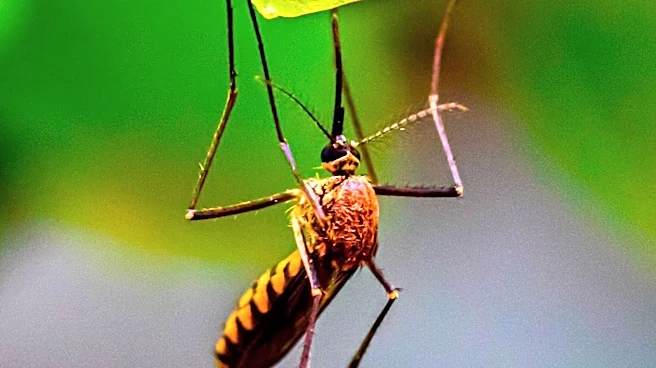
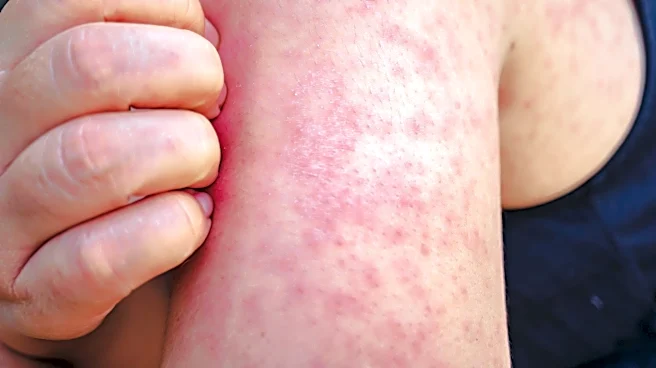
control efforts. The monsoon season has created favorable conditions for the breeding of Aedes mosquitoes, which are responsible for transmitting chikungunya and dengue. Health officials are focusing on surveillance, mosquito control, and public awareness to combat the spread of the virus. Chikungunya is characterized by sudden fever and severe joint pain, with symptoms often persisting for weeks or months. There is no specific antiviral treatment, and management focuses on symptom relief and hydration.
Why It's Important?
The rise in chikungunya cases in Kerala highlights the public health challenges posed by mosquito-borne diseases, especially during the monsoon season. The increase in mosquito populations due to stagnant water can lead to outbreaks of chikungunya and dengue, both of which have significant health impacts. The prolonged joint pain associated with chikungunya can affect individuals' quality of life and productivity. Effective mosquito control and public awareness are crucial in preventing the spread of these diseases. The situation underscores the need for comprehensive vector control strategies and community participation in reducing mosquito breeding sites.
What's Next?
As Kerala continues to experience monsoon rains, health authorities are expected to maintain heightened surveillance and vector control measures. Public health campaigns will likely focus on educating residents about preventing mosquito bites and eliminating breeding sites. The effectiveness of these efforts will depend on community involvement and adherence to preventive measures. Continued monitoring of chikungunya and dengue cases will be essential to assess the impact of control measures and adjust strategies as needed.