


What's Happening?
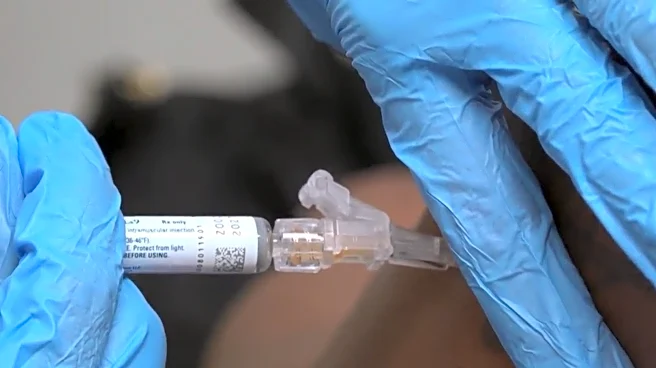
A study conducted by the Department of Veterans Affairs' St. Louis Health Care System has revealed that GLP-1 medications, including Ozempic and Wegovy, are linked to a reduced risk of developing substance use disorders among veterans. The research, published
in the BMJ, analyzed the health records of 606,434 U.S. veterans with type 2 diabetes. It found that veterans using GLP-1 drugs had a lower risk of developing addictions to substances such as alcohol, opioids, and nicotine. Additionally, for veterans already suffering from substance use disorders, these medications were associated with reduced rates of hospitalization, overdose, and death. The study also noted a 25% reduction in suicidal ideation among GLP-1 users, countering previous concerns about increased suicide risk.
Why It's Important?
The findings of this study could significantly impact how addiction is treated within the veteran community, which is disproportionately affected by substance use disorders. Current treatments typically target specific substances, but GLP-1 drugs appear to address the underlying craving mechanisms in the brain's reward system. This could lead to a more holistic approach to addiction treatment, potentially benefiting the over 48 million Americans with substance use disorders. The study's results may influence the VA's treatment protocols and encourage further research into GLP-1 drugs as a multi-substance addiction treatment.
What's Next?
While the study provides promising data, it is observational and does not establish a direct causal relationship between GLP-1 use and reduced addiction risk. Further research, including randomized controlled trials, is necessary to confirm these findings. The VA and other research institutions are likely to continue exploring the potential of GLP-1 drugs in addiction treatment, with ongoing trials evaluating their effectiveness for specific substances like alcohol. The results of these studies could lead to broader approval and use of GLP-1 medications for addiction treatment in the future.