

What's Happening?
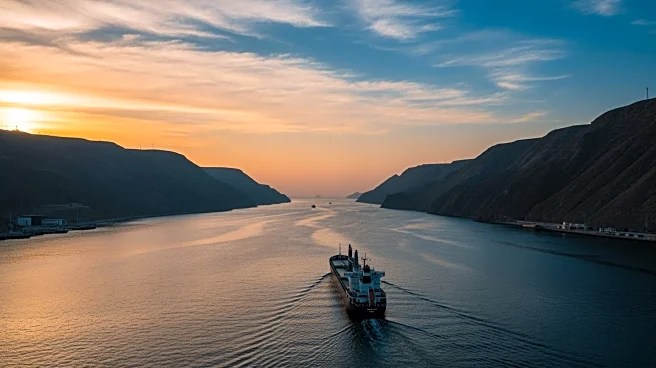
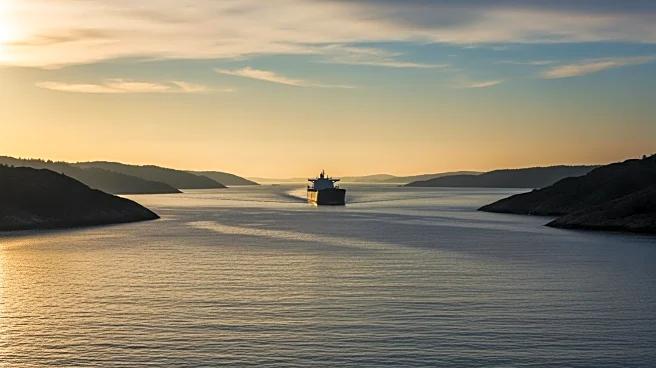
China is exerting pressure on Iran to keep the Strait of Hormuz open for oil and LNG shipments, as tensions rise in the region. According to Bloomberg, Chinese state energy firms have expressed concerns over potential disruptions, given China's heavy
reliance on Middle Eastern energy imports. Iran recently claimed the Strait was closed, threatening to attack ships attempting to cross. However, the U.S. Central Command has denied these claims. The situation has already led to disruptions, with oil tankers diverting routes, increased freight rates, and halted LNG production in Qatar. China's Foreign Minister Wang Yi has urged Iran to maintain stability and consider the concerns of neighboring countries.
Why It's Important?
The Strait of Hormuz is a critical chokepoint for global energy supplies, and any disruption could have significant implications for international oil markets and global economic stability. China's involvement underscores its strategic interest in maintaining open trade routes for energy imports. The situation highlights the geopolitical complexities of the region, with potential impacts on global energy prices and supply chains. The tensions also reflect broader regional dynamics, with implications for international diplomacy and security. Stakeholders, including energy companies and governments, are closely monitoring developments to mitigate potential risks.
What's Next?
The international community is likely to continue diplomatic efforts to de-escalate tensions and ensure the Strait remains open. Energy companies may seek alternative routes or increase security measures to protect shipments. The situation could prompt further discussions on energy security and diversification of supply sources. Additionally, regional powers may engage in negotiations to address underlying issues and prevent further escalation. The outcome of these efforts will be critical in determining the stability of global energy markets and regional security.