



What's Happening?
The Chicago area, including Aurora, Illinois, is preparing for a weekend of heavy rain and thunderstorms, with potential for localized flooding. The first round of moderate to heavy rain began early Saturday along the Interstate 57 and Interstate 55 corridors,
with more precipitation expected to move in. NBC 5 Storm Team Meteorologist Pete Sack indicated that showers and thunderstorms will persist throughout the weekend. While there might be occasional breaks in the rainfall, they are not expected to last long. The National Weather Service has issued a flood watch through Sunday morning for several Illinois counties, including Cook, DeKalb, DuPage, Kane, Kendall, Lake, and Will, as well as Lake and Porter counties in northwest Indiana. Rain totals could reach up to 3.25 inches in Aurora and Waukegan, and 2.5 inches in Chicago. Temperatures are expected to reach around 76 degrees on Saturday, falling into the low to mid-60s by Sunday morning as the heavy rain continues.
Why It's Important?
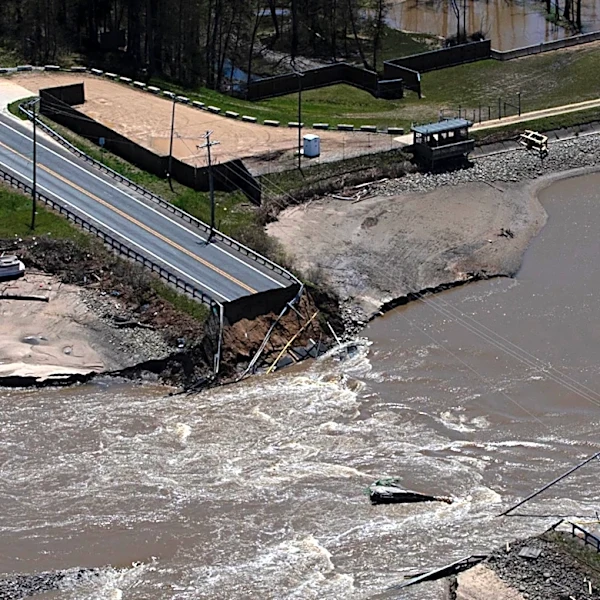
This significant weather event carries several important implications for residents and infrastructure in Aurora and the broader Chicago metropolitan area. The potential for up to 3.25 inches of rain raises concerns about widespread localized flooding, which can disrupt daily life, damage property, and pose safety risks. Transportation will likely be affected, with road closures and hazardous driving conditions impacting commuters and weekend travelers. Businesses, particularly those in flood-prone areas, may experience operational disruptions and financial losses due due to water damage or reduced customer traffic. The agricultural sector in the surrounding regions could also face challenges, as excessive rainfall can harm crops and delay harvesting. Furthermore, the strain on emergency services and public works departments will be considerable as they respond to flood-related incidents and manage drainage systems. The weather could also impact outdoor events, such as the Bears' game at Soldier Field and the Northwestern Wildcats' game, leading to delays or cancellations and affecting local economies reliant on such gatherings.
What's Next?
Heavy rain and thunderstorms are expected to continue through Sunday evening, with shower chances gradually diminishing early next week. Cooler than average temperatures are also anticipated. Residents in Aurora and the affected counties should remain vigilant and monitor weather updates from the National Weather Service and local news outlets. Emergency services will likely be on high alert to respond to any flooding incidents or weather-related emergencies. Individuals planning outdoor activities, including sporting events, are advised to prepare for wet conditions and potential delays. Authorities will likely assess infrastructure for any damage caused by the heavy rainfall and implement necessary repairs. Public awareness campaigns may be launched to remind residents about flood safety measures, such as avoiding flooded roads and preparing emergency kits. The long-term impact will depend on the severity of the flooding and any subsequent damage to homes, businesses, and public utilities.
Beyond the Headlines
Beyond the immediate concerns of flooding and disruption, this weather event highlights broader issues related to urban planning and climate resilience in the Chicago area. The recurring nature of heavy rainfall events underscores the need for robust stormwater management systems and infrastructure upgrades to mitigate future impacts. Communities like Aurora, with significant rainfall totals, may need to re-evaluate their drainage capacities and consider long-term strategies to adapt to changing weather patterns. This could involve investments in green infrastructure, improved early warning systems, and community-level preparedness programs. The economic consequences of such events, including insurance claims, property devaluation, and business interruptions, can have lasting effects on local economies. Furthermore, the psychological toll on residents repeatedly affected by flooding, including stress and displacement, is a less visible but significant implication. This event serves as a reminder of the ongoing challenges posed by extreme weather and the importance of proactive measures to protect communities.