
What's Happening?
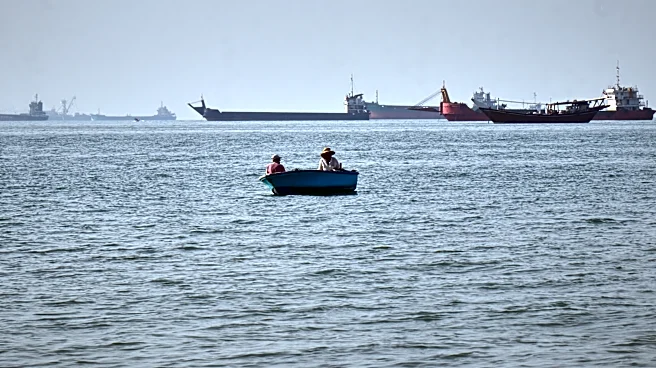
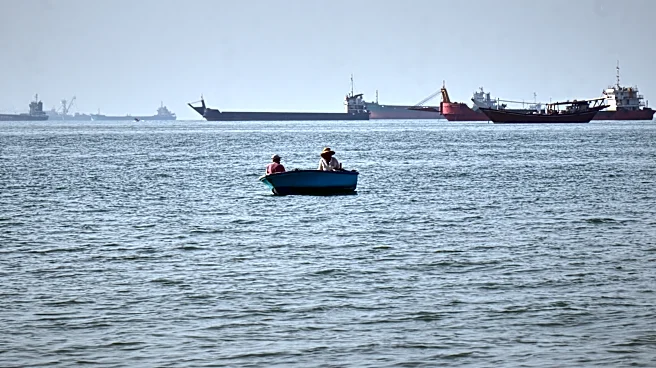
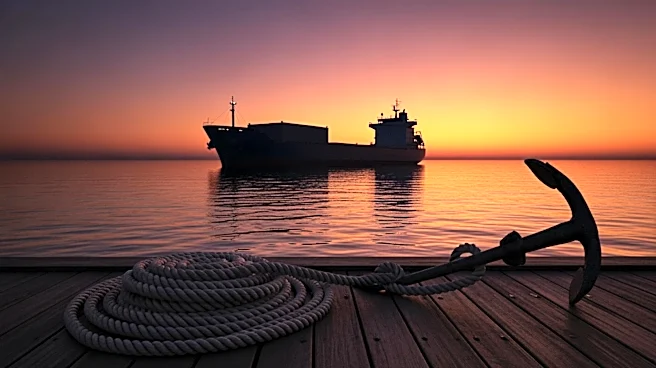
Iran has reportedly seized a vessel near the Strait of Hormuz, identified as a 'floating armory' used by maritime security firms. The ship, sailing under the Honduran flag, was taken over by Iranian gunmen,
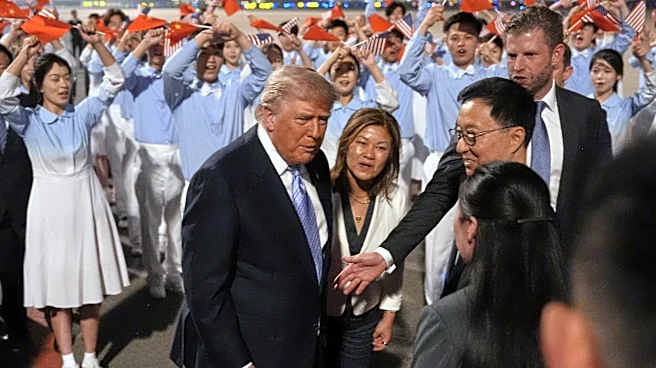
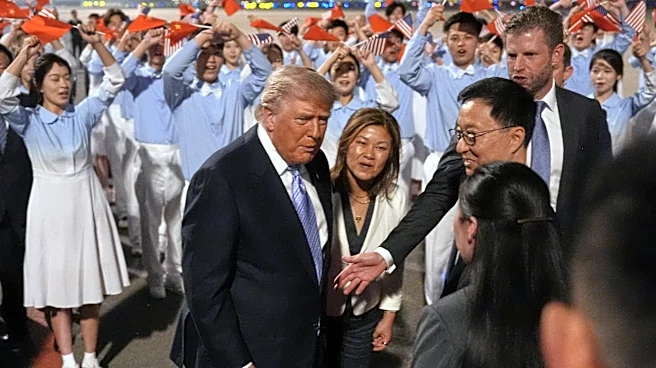
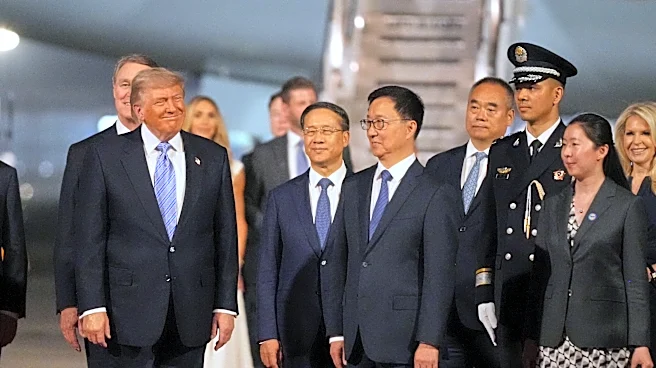
according to the BBC. This incident is part of a series of actions by Iran to control passage through the strategic waterway, which is crucial for global oil transport. The seizure coincides with President Trump's visit to China, where he discussed with Chinese President Xi Jinping the issue of Chinese military support to Iran. Xi assured Trump that China would not send weapons to Iran, although China continues to purchase Iranian oil. Meanwhile, Saudi Arabia is reportedly seeking a regional nonaggression pact with Iran, similar to the Helsinki Accords, to ease tensions in the region.
Why It's Important?
The seizure of the vessel underscores the ongoing geopolitical tensions in the Persian Gulf, a critical region for global oil supply. Iran's actions in the Strait of Hormuz could disrupt international shipping and escalate military confrontations. The U.S. is concerned about Iran's military capabilities and its influence over regional proxies like Hamas and Hezbollah. The potential nonaggression pact between Saudi Arabia and Iran could shift regional alliances and impact U.S. foreign policy in the Middle East. The situation also highlights the complex dynamics between the U.S., China, and Iran, with economic and military implications for global stakeholders.
What's Next?
The international community will likely monitor the situation closely, as further seizures or military actions could lead to increased tensions. The U.S. may continue diplomatic efforts to curb Iran's military capabilities and influence in the region. Saudi Arabia's pursuit of a nonaggression pact with Iran could lead to new diplomatic engagements, although skepticism remains about its feasibility. The outcome of these developments could significantly impact regional stability and global oil markets.