





What's Happening?
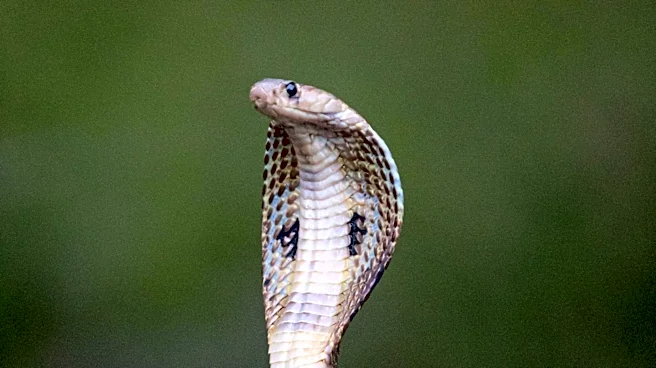
An Indian man, Varghese Thomas, also known as Babu, in Erumely, Kerala, had a close call with a king cobra inside his home. Babu mistook the snake, which was lying beside a helmet, for a leather belt on his dining room floor and bent down to pick it up.
The king cobra then reared up and spread its hood, alerting Babu to the danger. He quickly moved his family outside and secured the room before contacting forest officials. Due to the king cobra's size, specialist help was required, leading to personnel from the Mundakkayam Forest Range Office calling on Vandampathal's Rapid Response Team for assistance. Rescuers successfully trapped and captured the snake beneath a bedroom table after it moved through an adjoining bathroom. An open front entrance was identified as the suspected entry point for the snake into the home. Residents reported that the forest boundary was a frequent release site for captured snakes, a practice that put surrounding areas at risk due to the overlap of development and habitat.
Why It's Important?
This incident highlights the increasing frequency of human-wildlife conflicts, particularly in regions where urban development encroaches upon natural habitats. The close encounter with a king cobra, a highly venomous species, underscores the significant danger posed to human lives and the urgent need for effective wildlife management strategies. The community's concern about the release of captured snakes near residential areas points to a critical gap in current conservation practices, where relocation efforts may inadvertently create new risks. This situation can lead to heightened fear among residents and potentially result in harm to both humans and wildlife if not managed properly. The incident also brings attention to the importance of public awareness regarding wildlife presence and safety protocols, especially in areas adjacent to natural ecosystems. Addressing these conflicts is vital for maintaining ecological balance and ensuring the safety of both human populations and endangered species.
What's Next?
The captured king cobra was transported 31 miles from Angel Valley and released into the forest interior near Gavi's Kakki Dam. This decision was made after locals expressed objections to relocations closer to their homes, leading to a more distant release site. Grama Panchayat member Tom Kalapparambil oversaw the relocation. In addition to the king cobra, forest staff also released an Indian cobra and 13 pythons that had been removed from populated areas. This incident may prompt a review of current wildlife relocation policies and practices to ensure that release sites are sufficiently far from human settlements to prevent future conflicts. There could also be increased efforts to educate residents on how to prevent snakes from entering homes and what to do in case of an encounter. Community engagement and collaboration with wildlife authorities will be crucial in developing sustainable solutions to manage human-wildlife interactions effectively.
Beyond the Headlines
The incident in Erumely, Kerala, transcends a simple snake encounter, revealing deeper ecological and social implications. The 'overlap of development and habitat' is a critical factor, illustrating how human expansion into natural areas inevitably leads to increased interactions with wildlife. This raises ethical questions about land use, conservation, and the responsibility of human societies to coexist with nature. The community's demand for more distant snake releases reflects a tension between conservation efforts and public safety concerns, highlighting the challenge of balancing ecological preservation with human well-being. This situation could catalyze discussions on creating buffer zones, implementing more robust wildlife corridors, and investing in long-term ecological planning that considers both human and animal needs. Furthermore, the incident underscores the psychological impact of living in close proximity to dangerous wildlife, potentially leading to increased anxiety and calls for more proactive government intervention in wildlife management.