


What's Happening?
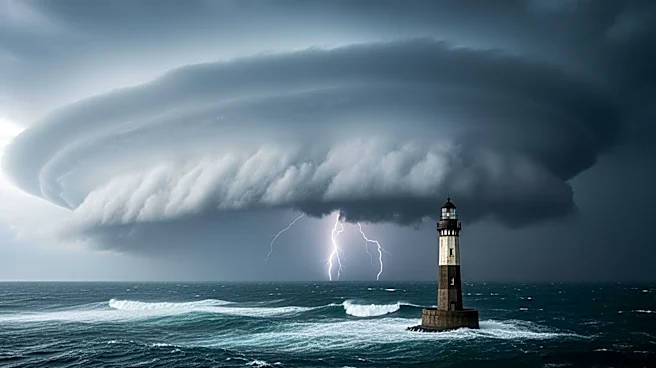
Severe convective storms (SCS) have become a major driver of insurance claims, accounting for nearly half of all insured natural catastrophe losses last year, totaling over $60 billion. These storms, characterized by flash flooding, high winds, and hailstorms,
often strike with little warning. Hailstorms are responsible for 50% to 80% of all SCS-related insurance losses. The impact is significant, with high-value assets like aircraft fleets and solar power installations being affected. Population growth in hazard-prone areas and outdated construction codes have increased the volume of assets at risk, while the cost of repairs has surged.
Why It's Important?
The financial impact of severe storms is substantial, rivaling or exceeding that of primary perils like hurricanes. The rising costs of repairs and rebuilding, compounded by shortages in skilled labor and materials, pose challenges for affected regions. Insurance companies are advocating for proactive risk management and the use of Artificial Intelligence to identify vulnerabilities in advance. The increasing frequency and severity of these storms highlight the need for improved infrastructure and updated building codes to mitigate future losses.
What's Next?
Insurance experts are pushing for the adoption of AI and data-driven insights to better predict and manage risks associated with severe storms. Businesses may need to invest in more resilient infrastructure and consider new strategies for risk management. The ongoing impact of these storms on insurance claims and costs will likely drive further innovation in the industry.