







What's Happening?
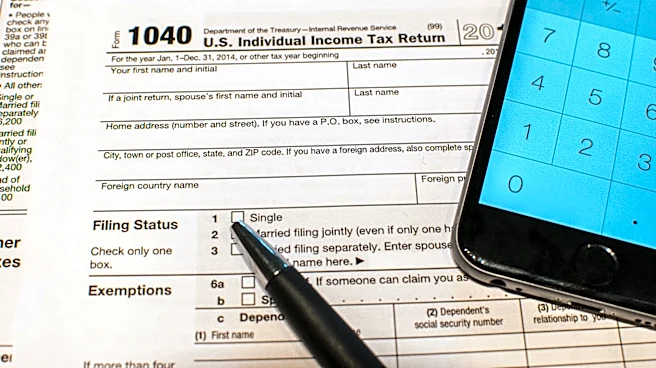
The Internal Revenue Service (IRS) has granted tax relief to individuals and businesses in numerous Texas counties impacted by severe storms that began on July 14, 2026. This declaration allows affected taxpayers until February 1, 2027, to file various
federal individual and business tax returns and make tax payments. The relief applies to deadlines that originally fell on or after July 14, 2026, and before February 1, 2027. This includes individual, corporate, estate, trust income tax returns, partnership returns, S corporation returns, gift and generation-skipping transfer tax returns, annual information returns of tax-exempt organizations, and employment and certain excise tax returns. Estimated income tax payments due within this period are also postponed, and taxpayers will not face penalties for failure to pay estimated tax installments if paid by the new February 1, 2027, deadline. However, tax payments for 2025 individual income tax returns, which were due on April 15, 2026, are not eligible for this specific relief. Penalties on payroll and excise tax deposits due between July 14, 2026, and July 29, 2026, will be abated if deposits are made by July 29, 2026.
Why It's Important?
This tax relief is crucial for Texans recovering from the severe July 2026 storms, providing much-needed breathing room for individuals and businesses to manage their finances and rebuild. Natural disasters often cause significant economic disruption, making it difficult for affected parties to meet financial obligations, including tax deadlines. By extending these deadlines, the IRS helps prevent additional financial strain through penalties and interest, allowing resources to be directed towards immediate recovery efforts. This measure supports the stability of local economies in the affected counties by reducing the administrative burden on businesses and individuals. It also demonstrates a responsive government approach to disaster recovery, acknowledging the practical challenges faced by communities in the aftermath of such events. The relief ensures that taxpayers can focus on their personal and business recovery without the immediate pressure of impending tax deadlines, fostering a more resilient recovery process.
What's Next?
Affected individuals and businesses in the designated Texas counties should utilize this extended deadline to organize their financial records and prepare their tax filings. The IRS will automatically identify taxpayers in the covered disaster area for this relief. Taxpayers outside the designated area but whose records are located within it, or relief workers assisting in the area, should contact the IRS Special Services toll-free number to request the relief. If a taxpayer receives a late filing or payment penalty notice for a period covered by the postponement, they should call the number on the notice to have the penalty abated. For those with installment agreements or payment plans, reminder notices will continue, and direct debits will proceed, but missed payments will not cause a default during the postponement period, though interest and late-payment charges will still accrue. Taxpayers can suspend direct debit payments by contacting the IRS or their bank. The IRS will also waive fees for copies of previously filed tax returns for affected taxpayers.