






What's Happening?
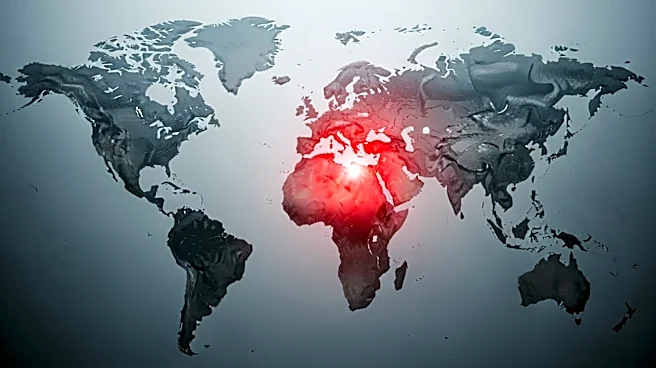
The International Monetary Fund (IMF) has issued a warning about the financial stability risks posed by the ongoing war in the Middle East. The conflict has led to increased inflationary pressures, causing global equity prices to decline by 8% and sovereign
bond yields to rise sharply. The IMF's Global Financial Stability Report highlights the potential for funding markets to tighten, which could strain non-banks and private credit sectors. The report also notes the increased exposure of hedge funds to interest rate derivatives and sovereign bonds, which has more than doubled since 2020. The IMF cautions that prolonged conflict could lead to financial instability, particularly affecting sectors reliant on artificial intelligence and private credit.
Why It's Important?
The IMF's warning underscores the broader economic implications of geopolitical conflicts, particularly in terms of financial market stability. Rising inflation and tightening financial conditions could lead to increased volatility and potential losses for investors. The report highlights the interconnectedness of global financial systems and the potential for systemic risks to emerge from regional conflicts. The focus on private credit and artificial intelligence sectors indicates areas of vulnerability that could impact broader economic growth and stability.
What's Next?
Policymakers are advised to prepare for potential market disruptions by ensuring liquidity and funding facilities are in place. The IMF suggests a focus on price stability and monitoring inflation expectations. The ongoing conflict in the Middle East may continue to influence global financial markets, with potential impacts on investment and economic growth. The report calls for fiscal policy adjustments to stabilize public debt and support vulnerable groups affected by inflation shocks.