




What's Happening?
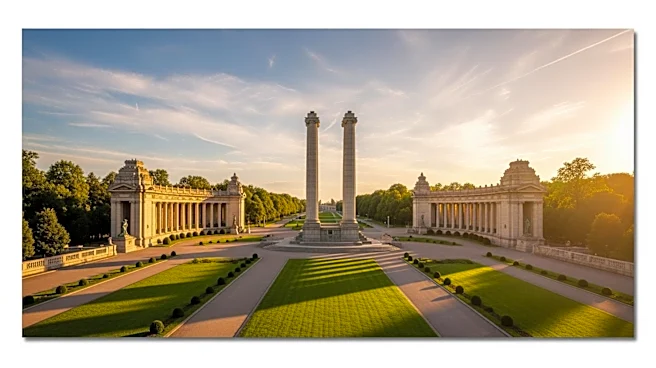
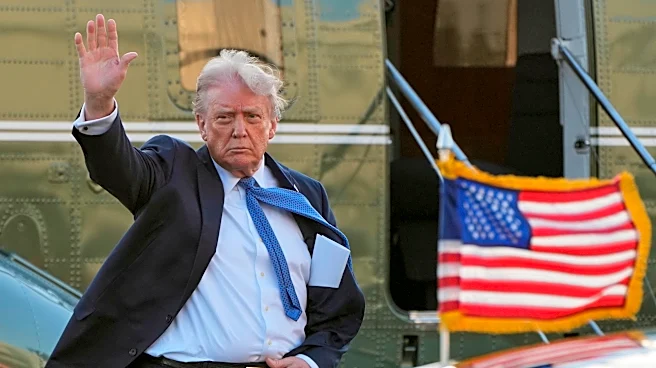
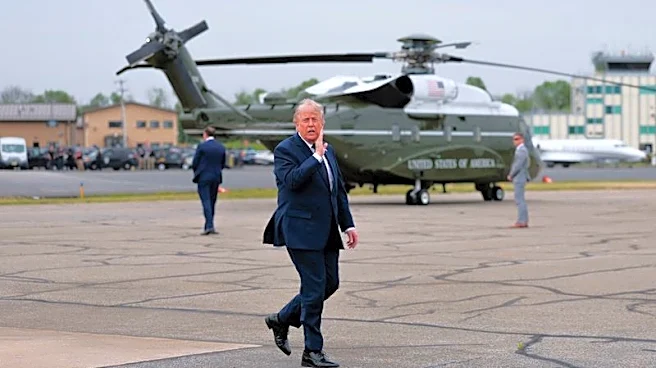
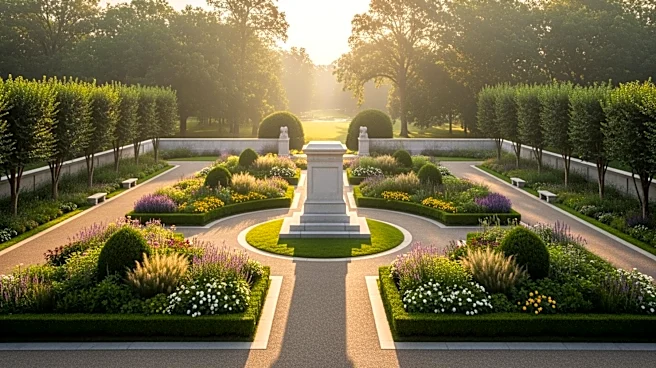
President Trump has announced plans to convert West Potomac Park, a popular recreational area in Washington D.C., into the 'National Garden of American Heroes.' This proposed sculpture garden would feature life-size statues of approximately 250 historically
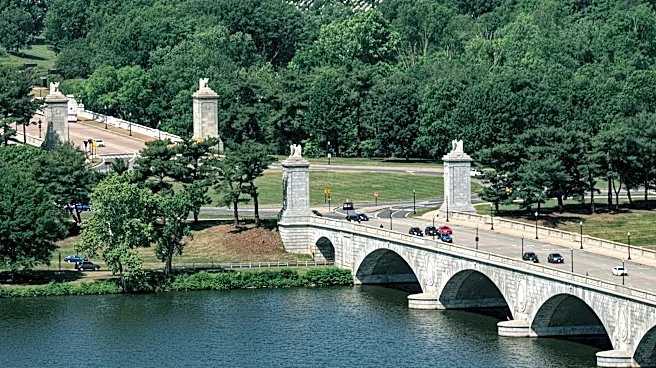
significant Americans, including figures like Christopher Columbus and Kobe Bryant. The park, currently a hub for community sports such as softball and soccer, is cherished by locals for its accessibility and scenic location near the National Mall. The transformation of this space into a sculpture garden would require congressional approval due to its status as 'reserve' land governed by the Commemorative Works Act. The announcement has sparked concern among local sports enthusiasts who rely on the park's fields for recreational activities.
Why It's Important?
The proposal to transform West Potomac Park into a sculpture garden has significant implications for the local community and the broader public use of urban green spaces. The park is a vital recreational area for residents, offering accessible sports facilities in a city where such spaces are limited. The potential loss of these fields could impact numerous local sports leagues and community activities, highlighting the tension between public recreational needs and national commemorative projects. Additionally, the project reflects broader themes in urban planning and public space utilization, raising questions about the prioritization of cultural heritage over community recreation.
What's Next?
If President Trump's proposal moves forward, it will require congressional approval due to the park's protected status. This process could involve public hearings and debates, providing an opportunity for community members and stakeholders to voice their opinions. The outcome will likely depend on political dynamics in Congress and public sentiment regarding the balance between commemorative projects and recreational needs. The proposal may also prompt discussions about alternative locations for the sculpture garden that do not displace existing community resources.