



What's Happening?
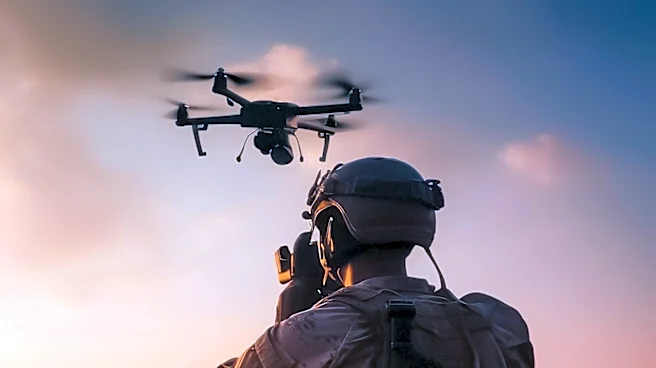
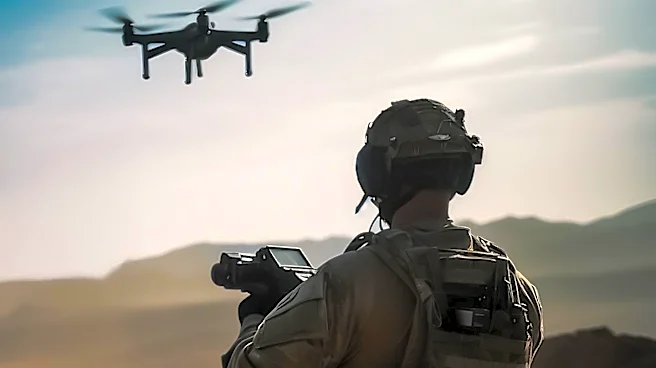
Ukraine's Ministry of Defence, in collaboration with the defense innovation cluster Brave1, has conducted extensive tests of Mavic-type reconnaissance unmanned aerial vehicles (UAVs) from nine Ukrainian manufacturers. The primary objective of these trials
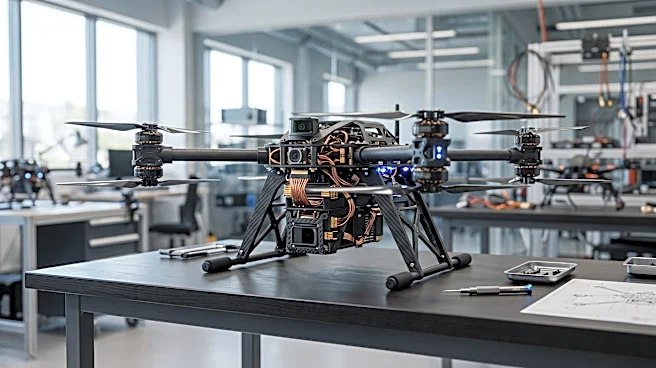
is to identify and contract the most effective domestic drones to supply the military, aiming to replace civilian Mavic drones. The need for this transition stems from the evolving demands of modern warfare, where civilian drones are increasingly falling short. Military operations require UAVs with longer flight durations, greater operational distances, and enhanced resistance to electronic warfare (EW) systems. During the tests, key characteristics such as EW resistance, video connection and data transmission quality, and flight duration were rigorously evaluated to ensure the drones meet the real needs of the battlefield. Manufacturers whose drones demonstrated combat readiness will proceed to contracting with the Ministry of Defence for deployment to military units.
Why It's Important?
This initiative is crucial for Ukraine's military strategy, as it seeks to reduce reliance on civilian-grade technology and establish a robust domestic defense industrial base. Civilian drones, while initially effective, are not designed for the harsh conditions of active combat zones, particularly against sophisticated electronic warfare. By developing and deploying purpose-built military drones, Ukraine aims to enhance its reconnaissance capabilities, improve operational security, and ensure its forces have reliable equipment that can withstand enemy countermeasures. This move also signifies a broader effort to achieve technological self-sufficiency in critical defense areas, fostering innovation within Ukraine's defense sector. The success of this program could provide a significant tactical advantage on the battlefield, allowing for more effective intelligence gathering and target acquisition while minimizing risks to operators. It also highlights the ongoing adaptation and innovation required in modern warfare to counter evolving threats.
What's Next?
Following the successful testing phase, manufacturers whose drones met the stringent combat readiness criteria will enter into contracts with the Ministry of Defence. This will lead to the mass production and supply of these domestically produced Mavic-type drones to Ukrainian military units. The Ministry of Defence and Brave1 will continue their efforts to develop Ukrainian defense technologies, focusing on scaling UAV group control technology and other innovations that can improve front-line logistics and operational effectiveness. The goal is to streamline the process from testing to deployment, ensuring that the military receives advanced technologies that directly address battlefield requirements. This ongoing development will likely involve further iterations and improvements based on field feedback, as Ukraine strives to maintain a technological edge in its defense capabilities. The long-term vision is to create a sustainable ecosystem for defense technology development and production within the country.
Beyond the Headlines
The shift from civilian to military-grade drones in Ukraine reflects a broader trend in modern warfare where commercial off-the-shelf (COTS) technology is initially adopted but eventually requires specialized military adaptation. This transition underscores the limitations of COTS products in high-intensity conflict zones, particularly concerning electronic warfare resilience and operational range. The development of a domestic drone industry not only enhances Ukraine's immediate defense capabilities but also fosters long-term economic and technological independence. It creates high-skilled jobs, stimulates research and development, and builds national expertise in critical areas like AI, robotics, and electronic systems. Furthermore, this initiative could serve as a model for other nations seeking to bolster their defense industrial bases and reduce reliance on foreign suppliers for essential military hardware. The ethical implications of increasingly sophisticated drone warfare, including autonomy and targeting, will also continue to be a significant consideration as these technologies advance.