








What's Happening?
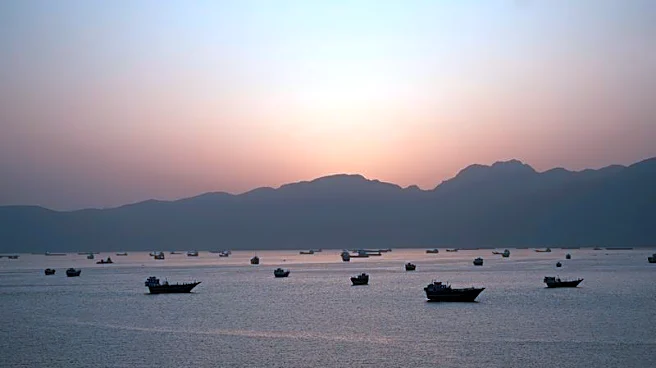
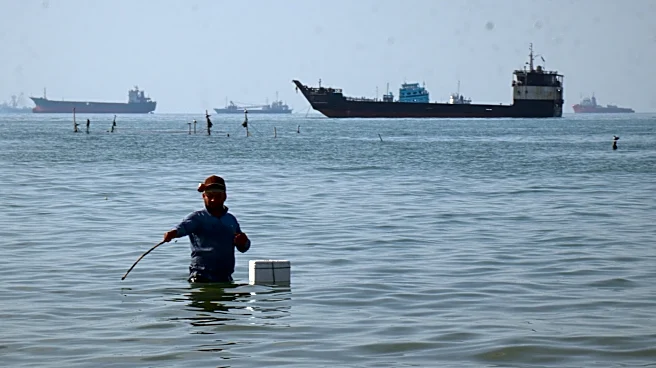
The ongoing conflict between the US and Iran has led to the closure of the Strait of Hormuz, a critical passage for global energy supplies. The US has imposed a naval blockade in response to Iran's actions, escalating tensions in the region. The situation
remains tense as both countries have yet to reach a diplomatic resolution. The conflict has significant implications for global energy markets, with India and China being among the most affected due to their reliance on crude oil imports from the region. India, with its strategic relations with the US, Iran, and Gulf States, is in a unique position to mediate and potentially influence the reopening of the Strait.
Why It's Important?
The closure of the Strait of Hormuz has far-reaching implications for global energy security and economic stability. As a major importer of crude oil, India's economy is directly impacted by disruptions in the Strait. The conflict also highlights the geopolitical complexities of the region, where multiple global powers have vested interests. India's potential role as a mediator could not only help stabilize the region but also enhance its diplomatic standing on the global stage. The situation underscores the importance of strategic diplomacy and the need for countries to balance their national interests with global responsibilities.
What's Next?
India, currently holding the reins of BRICS, is in a position to leverage its diplomatic relationships to press for the reopening of the Strait. This could involve 'quiet diplomacy' or a more assertive approach, depending on the evolving geopolitical dynamics. The outcome of India's involvement could set a precedent for how emerging powers engage in global conflict resolution. The international community will be closely watching India's actions, as they could influence future diplomatic strategies in similar conflicts.