



What's Happening?
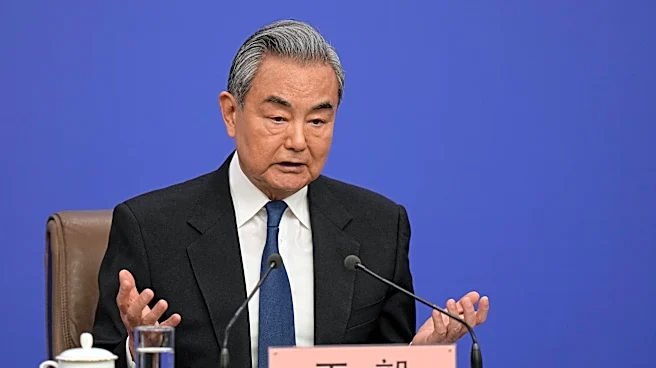
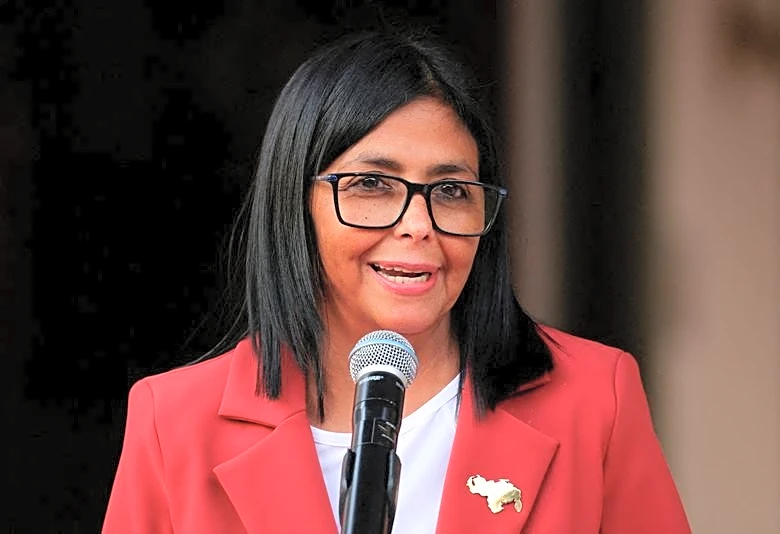
Iran's Foreign Ministry has denied President Trump's claims that Tehran requested a ceasefire in the ongoing conflict with the United States. According to Iranian state television, the Foreign Ministry labeled Trump's statements as 'false and baseless.'
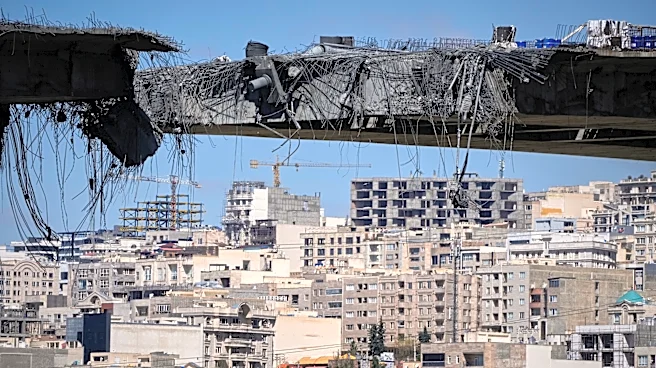
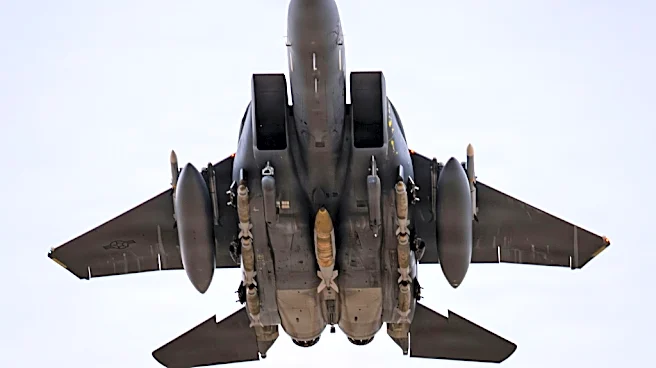
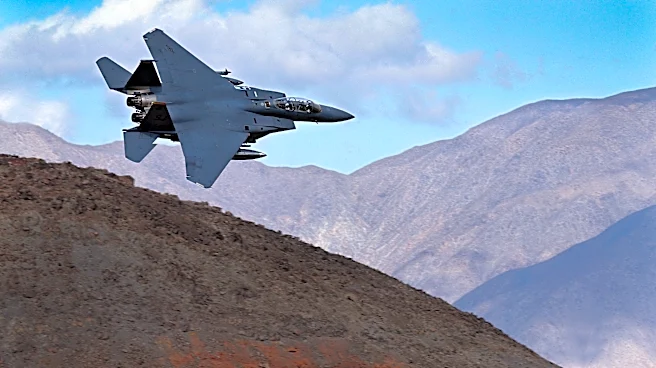
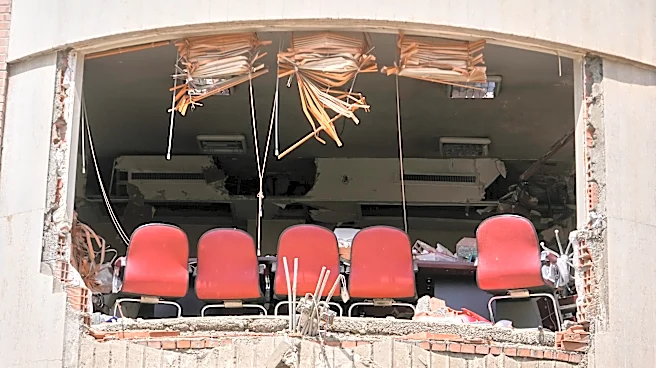
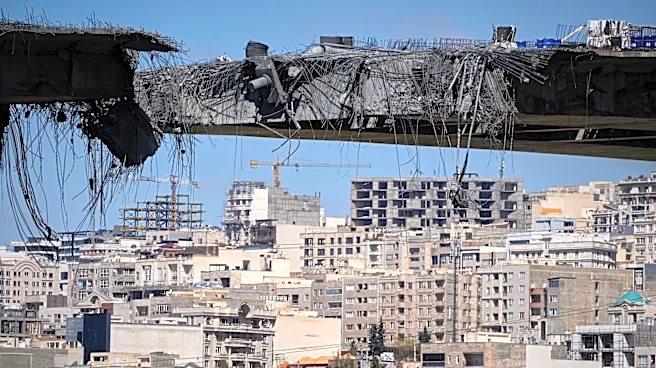
The conflict, which has disrupted global energy supplies, continues with Iran maintaining its stance against a ceasefire without guarantees against future aggressions. The Iranian government has accused the U.S. of making 'maximalist and irrational' demands, and there are no direct negotiations between the two nations. The situation remains tense as both sides engage in military actions and diplomatic rhetoric.
Why It's Important?
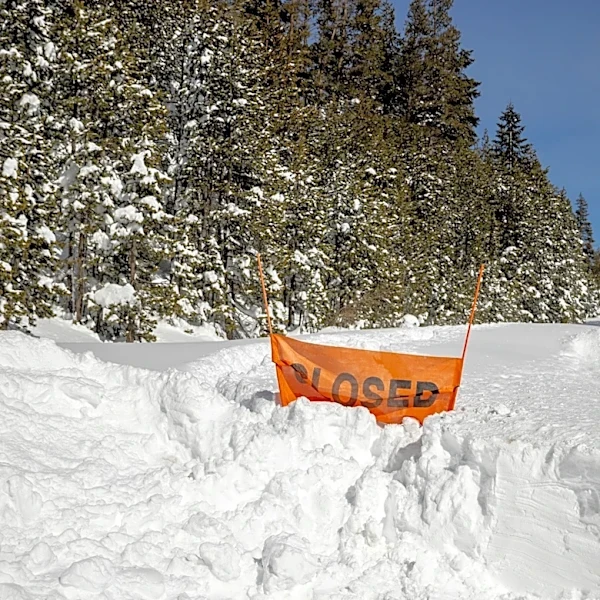
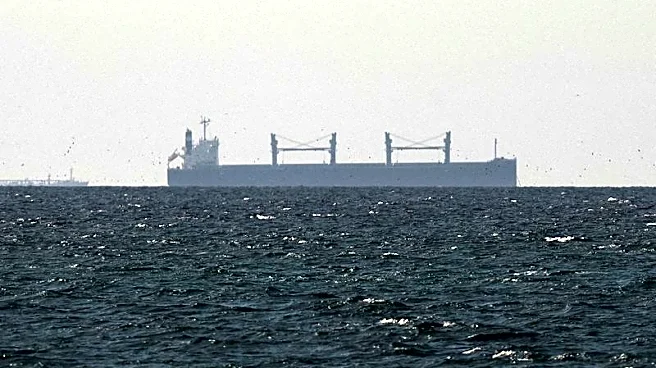
The denial from Iran underscores the complexity and volatility of the current geopolitical situation in the Middle East. The conflict has significant implications for global energy markets, particularly with the closure of the Strait of Hormuz, a critical passage for oil shipments. The ongoing hostilities and lack of diplomatic progress increase the risk of further escalation, which could destabilize the region and impact global economic stability. The situation also highlights the challenges of achieving a diplomatic resolution in a highly charged environment with deep-seated mistrust between the U.S. and Iran.
What's Next?
The international community will likely continue to push for diplomatic solutions to de-escalate the conflict. Efforts may focus on reopening the Strait of Hormuz and establishing communication channels between the U.S. and Iran. However, the path to a ceasefire remains uncertain, with both sides holding firm on their positions. The potential for further military actions and economic disruptions will be closely monitored by global stakeholders, including major oil-importing countries and international organizations.