



What's Happening?
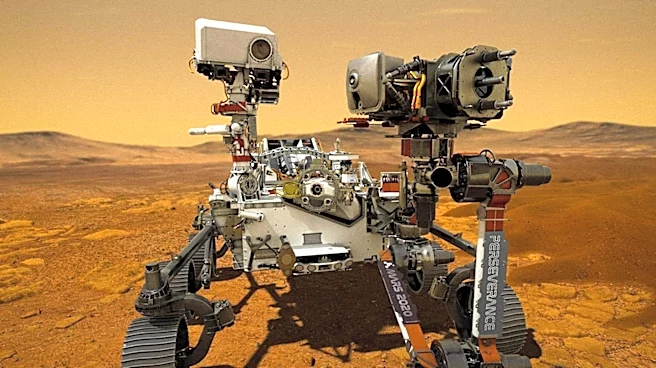
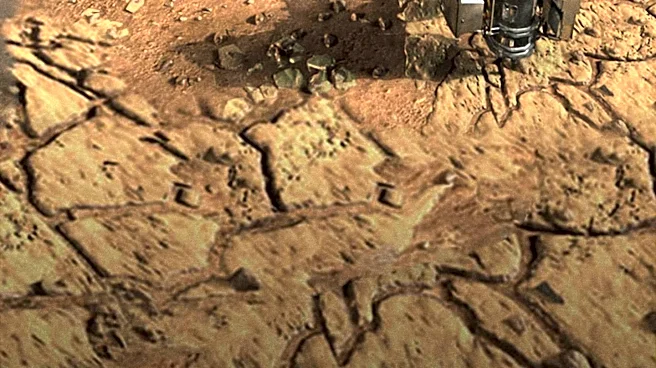
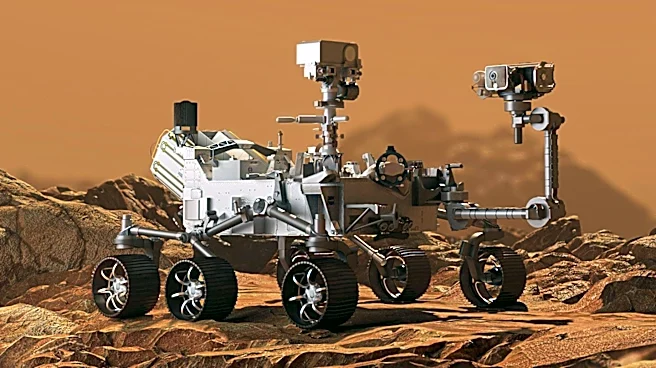
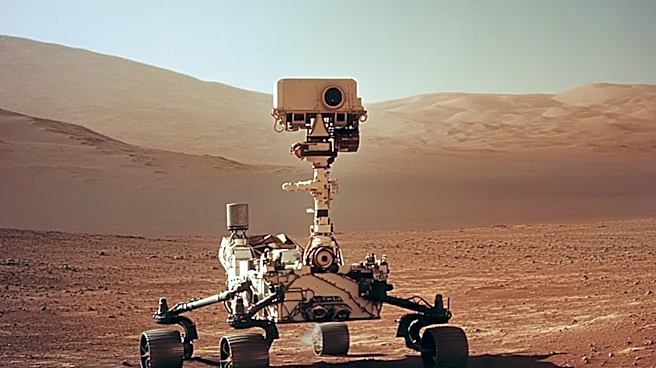
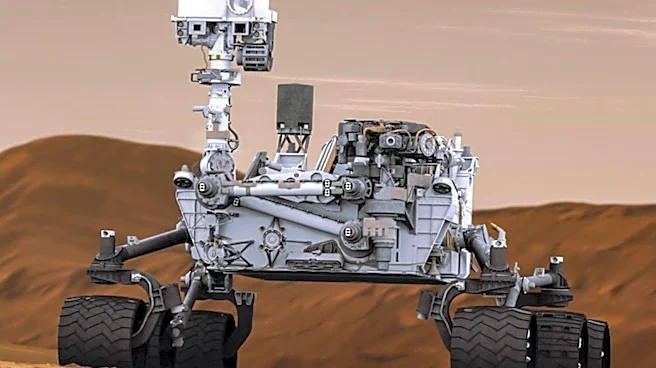
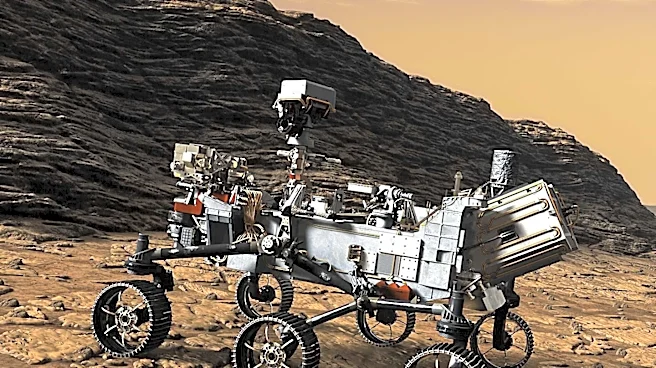
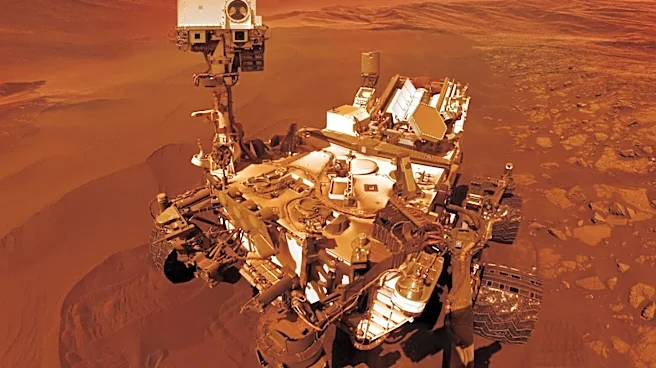
NASA's Curiosity rover has discovered the largest field of honeycomb-shaped patterns ever seen on Mars, providing scientists with new insights into the planet's history. These formations, known as polygonal fractures, were found in a valley called Valle
Grande. The rover has previously encountered smaller patches of these shapes, but this is the most extensive area discovered to date. Each polygon measures between 1.5 to 3 inches across. Scientists speculate that these patterns may have formed billions of years ago due to repeated wet and dry cycles on the Martian surface. Curiosity has been exploring Mars since 2012 and has made significant discoveries, including evidence of ancient water and the chemical ingredients necessary to support microscopic life.
Why It's Important?
The discovery of these honeycomb patterns is significant as it adds to the growing body of evidence that Mars once had conditions suitable for life. The presence of water and the right chemical ingredients suggest that the planet could have supported microscopic life forms in its past. This finding could influence future Mars exploration missions, as scientists continue to search for signs of past life on the planet. Understanding Mars' history and its potential for life is crucial for planning future human exploration and possibly colonization.
What's Next?
Scientists will continue to analyze the data collected by Curiosity to better understand the formation of these patterns and their implications for Mars' history. Future missions may focus on areas with similar formations to gather more evidence of past water activity and potential life. The ongoing exploration of Mars aims to uncover more about the planet's past and its potential to support life, which could have implications for future human missions to Mars.