









What's Happening?
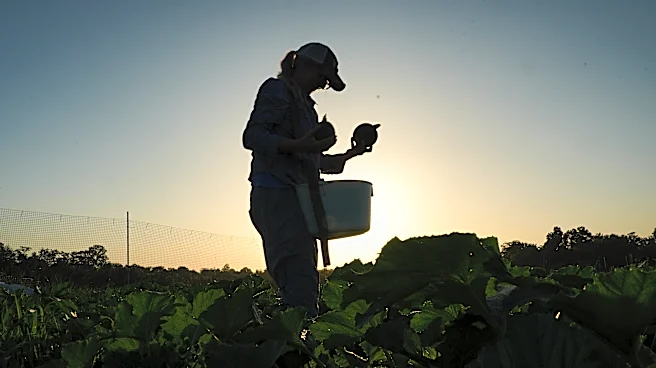
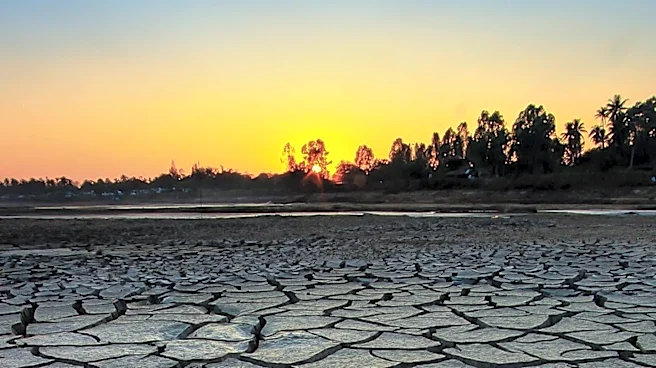
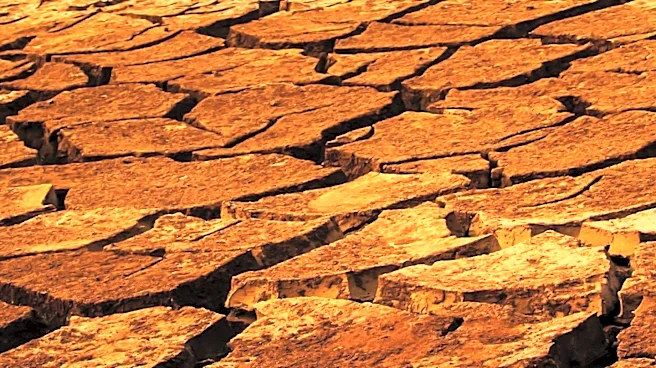
A study has estimated that global warming is causing annual crop losses of over $20 billion, with the potential to rise to $160 billion by 2100 if emissions are not reduced. The research highlights the impact of heat and drought on key crops like maize,
wheat, and soybeans. The financial losses are most significant for major producers like the US, but the effects are more severe in low-income countries where agriculture is a primary livelihood. The study emphasizes the need for adaptation strategies to mitigate these impacts and prevent social unrest and increased migration.
Why It's Important?
The findings underscore the urgent need for climate action to prevent further economic and social disruptions. The agricultural sector is particularly vulnerable to climate change, and the projected losses could exacerbate food insecurity, especially in developing regions. The study serves as a call to action for policymakers and stakeholders to implement adaptive measures and reduce emissions to safeguard global food systems. The potential for increased migration and social unrest highlights the broader societal implications of climate-induced agricultural challenges.
What's Next?
To address these challenges, countries may need to invest in climate-resilient agricultural practices, such as crop diversification and improved irrigation systems. International cooperation and support for developing nations will be crucial in building resilience against climate impacts. Continued research and innovation in agricultural technology could also play a vital role in adapting to changing climate conditions and ensuring food security.