





What's Happening?
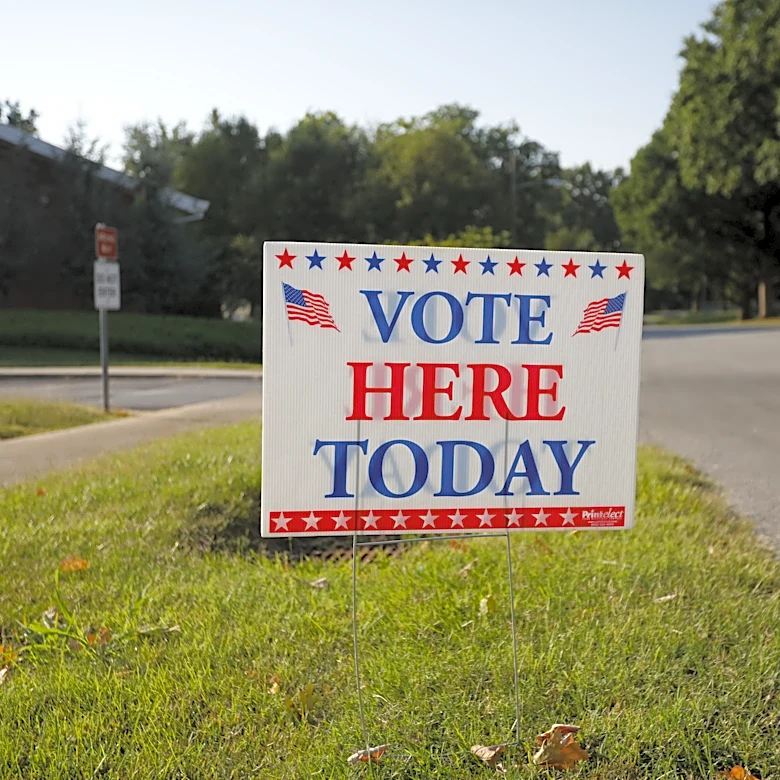
Missouri election officials are predicting a significant voter turnout for the upcoming primary elections, with expectations of up to 1.4 million voters participating. This projection is driven by two major ballot measures, Amendments 4 and 5, which have
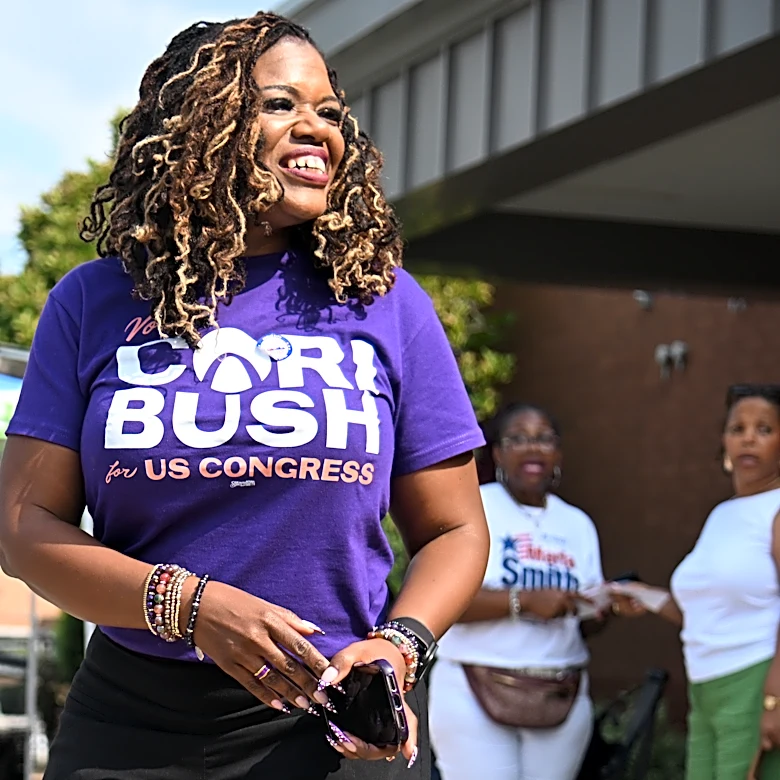
attracted more spending than any candidate race. Secretary of State Denny Hoskins forecasts a turnout of about 32% of registered voters, potentially marking the highest primary turnout since 2004. The election features intense congressional primaries in the 1st, 5th, and 6th districts, alongside state legislative and local races. Early voting reports from counties like Boone, Greene, and St. Charles indicate high voter interest, surpassing previous early-voting numbers. The Missouri Ethics Commission reports nearly $40 million spent on the ballot questions, with significant broadcast ad spending influencing the debates.
Why It's Important?
The anticipated high voter turnout underscores the significant public interest in the ballot measures, which could lead to substantial changes in Missouri's legislative landscape. Amendments 4 and 5 address critical issues such as the process for constitutional amendments and tax policy, potentially impacting state governance and fiscal strategies. The heavy spending on these measures highlights their importance to various stakeholders, including political action committees and advocacy groups. The outcome of these measures could influence future legislative priorities and voter engagement strategies in Missouri. Additionally, the intense congressional primaries could reshape political representation in key districts, affecting local and national policy directions.
What's Next?
As the primary election approaches, stakeholders will closely monitor voter turnout and the results of the ballot measures. The outcomes could prompt legislative reviews and potential adjustments to Missouri's constitutional and tax frameworks. Political parties and candidates will analyze the election results to refine their strategies for future elections, particularly in districts with competitive races. The results may also influence the political landscape leading up to the 2028 elections, with potential implications for gubernatorial and congressional contests.