

What's Happening?
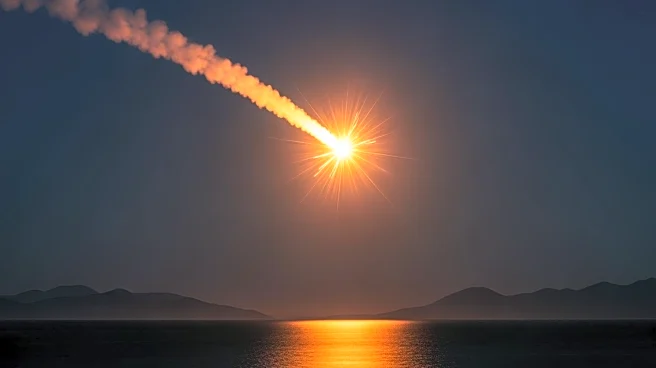
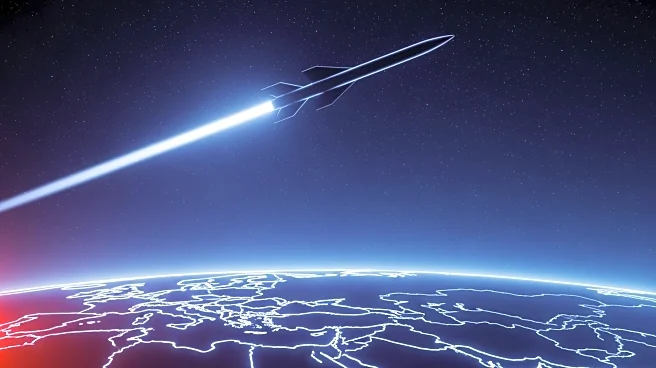
A recent interception of an Iranian missile near Turkey has marked a significant escalation in the ongoing conflict involving the United States, Israel, and Iran. The missile interception highlights the growing tensions as the US-Israel coalition continues
its military operations against Iranian targets. Ankara, a key NATO member, is navigating a delicate situation due to its geographical and strategic ties with both the US and Iran. Despite historical rivalries, Turkey and Iran share a common border and have interconnected energy and security interests, making Turkey's position in the conflict particularly sensitive.
Why It's Important?
The interception of an Iranian missile near Turkey underscores the potential for the conflict to spill over into neighboring regions, raising concerns about broader regional instability. Turkey's involvement, even indirectly, could complicate its diplomatic relations with both Western allies and Iran. The situation also highlights the strategic importance of Turkey as a NATO member and its role in regional security dynamics. The escalation could impact global energy markets, given Turkey's role as a transit hub for energy supplies, and may influence NATO's strategic calculations in the Middle East.
What's Next?
Turkey is likely to continue its cautious approach, balancing its relationships with the US and Iran while avoiding direct involvement in the conflict. Diplomatic efforts may intensify to prevent further escalation and to protect Turkey's strategic interests. The international community, particularly NATO and the European Union, may engage in diplomatic initiatives to stabilize the region and address the humanitarian consequences of the conflict. The situation remains fluid, with potential implications for regional alliances and global energy security.