







What's Happening?
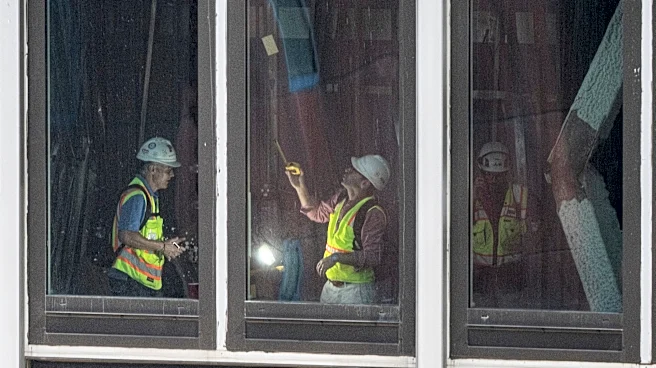
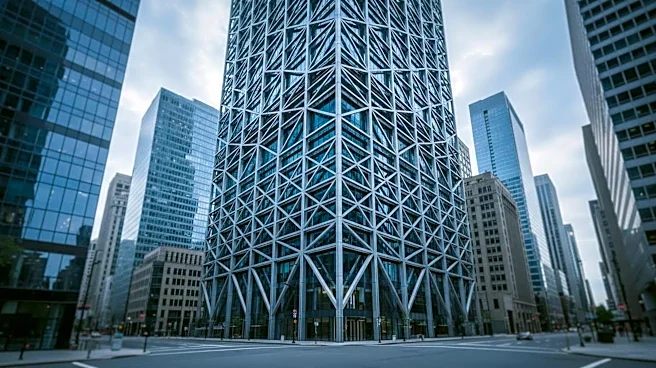
A significant construction scare occurred in midtown Manhattan when two steel columns buckled inside the former Pfizer headquarters, halting work on a major office-to-apartment conversion project. This incident underscores the engineering complexities
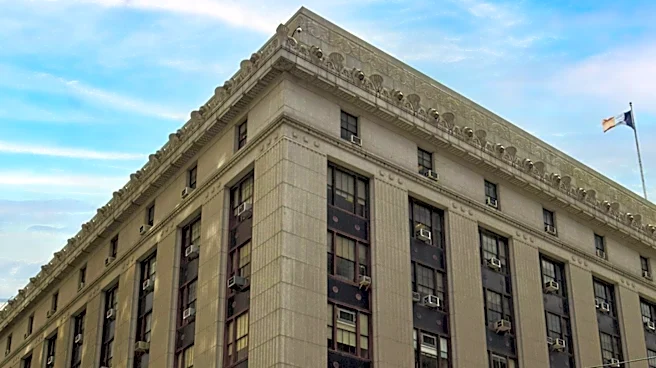
involved in adaptive reuse projects, which have gained popularity as a solution to the nationwide housing shortage. The project aims to transform two office buildings, one from 1909 and another from the 1960s, into approximately 1,600 apartments by adding additional stories. The buckling happened on the 21st floor of the newer structure, prompting temporary supports and an investigation. Experts emphasize that while such projects are complex, they are feasible with proper engineering practices.
Why It's Important?
The incident highlights the challenges and risks associated with converting office spaces into residential units, a strategy increasingly adopted to address housing shortages in urban areas. The conversion of office buildings into housing is seen as a vital part of revitalizing downtown areas and making efficient use of underutilized spaces. However, the structural issues encountered in this project may prompt a reevaluation of similar projects, potentially affecting future developments. The success of such conversions is crucial for cities like New York, where land is scarce and the demand for housing is high.
What's Next?
City officials and engineers are investigating the cause of the structural failure, with potential implications for other adaptive reuse projects. The outcome of this investigation could lead to stricter regulations or revised engineering practices to ensure the safety and feasibility of future conversions. Developers and city planners may need to reassess ongoing and planned projects to prevent similar issues. The incident serves as a reminder of the complexities involved in urban redevelopment and the need for meticulous planning and execution.
Beyond the Headlines
The environmental and economic benefits of adaptive reuse projects are significant, as they reduce the need for new construction and minimize waste. However, the incident raises questions about the sustainability and safety of such projects, especially in densely populated urban areas. The balance between preserving historical structures and meeting modern housing needs is delicate, requiring innovative engineering solutions and robust regulatory frameworks. This event may influence public perception and policy decisions regarding urban development and the reuse of existing infrastructure.