




What's Happening?
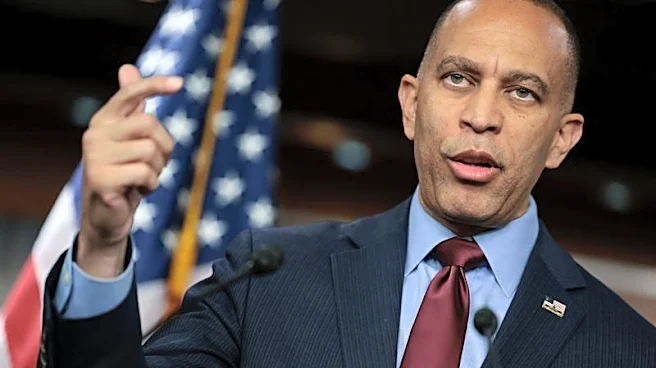
Rep. Josh Riley has introduced a new online tool designed to help residents of New York’s 19th Congressional District determine their eligibility for programs that can reduce energy bills. The tool, accessible via a dedicated website, allows users to answer
a few questions to quickly ascertain if they qualify for federal and state assistance programs aimed at lowering utility costs. Rep. Riley stated that the initiative was developed by his office to simplify the process of accessing available aid, acknowledging that the existing governmental systems can be confusing and often deter eligible individuals from applying. He emphasized that the goal is to ensure that constituents can keep more of their earnings, especially as winter approaches and heating costs rise. The tool provides information on eligibility and guidance on how to apply for these programs.
Why It's Important?
This new online tool from Rep. Josh Riley's office is important because it directly addresses a pressing economic concern for many households: the rising cost of energy. By simplifying access to federal and state assistance programs, the tool has the potential to provide tangible financial relief to numerous families and individuals in the 19th Congressional District. This initiative is particularly critical during the winter months when heating expenses can become a significant burden, especially for low-income households and those on fixed incomes. The tool's user-friendly approach aims to overcome bureaucratic hurdles that often prevent eligible citizens from utilizing available aid, thereby increasing the uptake of these vital programs. This effort also highlights a proactive approach by a congressional office to leverage technology for constituent services, potentially setting a precedent for other representatives to develop similar resources to address common challenges faced by their communities. The success of such tools can foster greater trust in government and demonstrate a commitment to practical problem-solving.
What's Next?
The immediate next step for this initiative is to maximize its outreach and ensure that as many eligible residents as possible in New York’s 19th Congressional District are aware of and utilize the new online tool. Rep. Riley's office will likely continue to promote the tool through various channels, including local media, community organizations, and direct communication with constituents. The effectiveness of the tool will be measured by the number of individuals who successfully access and benefit from energy bill reductions. Over time, feedback from users could lead to further refinements or expansions of the tool, potentially incorporating more programs or addressing other common financial challenges. This initiative could also inspire other congressional offices or state agencies to develop similar streamlined resources, creating a broader impact on how government services are delivered and accessed across the country. The long-term goal is to alleviate financial stress related to energy costs and improve the overall economic well-being of the community.
Beyond the Headlines
Rep. Riley's online tool for energy bill savings touches upon a broader issue of digital accessibility and governmental efficiency in the modern era. While the immediate benefit is financial relief for constituents, the underlying implication is the potential for technology to bridge the gap between government services and the public. The acknowledgment that 'like most things in government, it couldn’t be more confusing' speaks to a systemic challenge in public administration: the complexity of accessing aid. By creating a simplified, user-friendly interface, Riley's office is not just offering a service but also making a statement about the need for government to adapt to contemporary communication and information-sharing methods. This initiative could spark discussions about how other complex governmental processes, from healthcare enrollment to small business grants, could be similarly streamlined. It also highlights the evolving role of congressional offices beyond traditional legislative duties, increasingly acting as direct service providers and navigators for their constituents in an increasingly complex administrative landscape. The ethical dimension lies in ensuring equitable access to such digital tools, particularly for populations with limited internet access or digital literacy.