





What's Happening?
Raven-Flint, a new company in the U.S. uranium conversion market, has advanced its plans for a new uranium conversion facility. The company's plans have been docketed by the Nuclear Regulatory Commission (NRC), and Raven-Flint was selected for the second
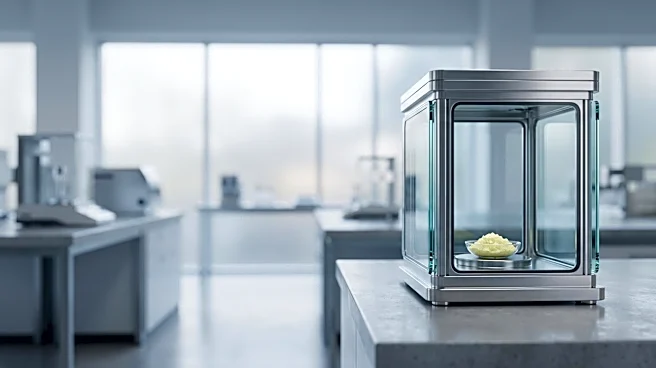
round of the Department of Energy's (DOE) Nuclear Energy Launch Pad program. This selection grants Raven-Flint access to Idaho National Laboratory (INL) facilities, regulatory support, and expertise to help deploy its conversion technology at a commercial scale. Raven-Flint is developing a chemical process for uranium conversion that avoids the use of elemental fluorine, aiming to reduce costs, improve safety, and simplify permitting. The company has already demonstrated this method and successfully produced uranium hexafluoride (UF6). In June, Raven-Flint submitted a letter of intent to the NRC to increase the amount of natural or depleted uranium it can hold at its Idaho Falls headquarters and research laboratory to 500 kg, up from an administrative cap of 1.5 kg.
Why It's Important?
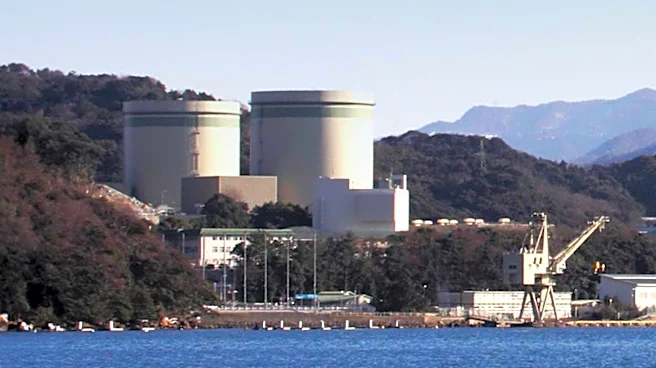
This development is significant for the U.S. nuclear fuel cycle, as it aims to re-establish domestic uranium conversion capabilities. The U.S. currently has only one operational uranium conversion plant, Solstice Advanced Material’s Metropolis Works facility. Raven-Flint's entry into the market, alongside other new companies like FluxPoint Energy and Uranium Energy Corp., signals a concerted effort to reduce reliance on foreign sources for a critical component of nuclear fuel. A robust domestic uranium conversion industry is vital for national energy security and the broader advanced nuclear reactor industry. The company's innovative chemical process, which promises lower capital costs, reduced energy consumption, and lower chemical costs, could make domestic conversion more competitive and environmentally friendly. The support from the DOE's Nuclear Energy Launch Pad program underscores the government's commitment to fostering innovation and strengthening the domestic nuclear supply chain.
What's Next?
Raven-Flint's immediate next step is to develop a pilot plant for small-scale commercial production, designed to have a 500-ton annual conversion capacity. The company has already signed a letter of intent with Aalo Atomics for conversion services starting in 2028, with Aalo looking to take 100 percent of the pilot plant's output. Following the pilot plant, Raven-Flint aims to scale up to a commercial plant with 5,000–10,000 tons of conversion capacity per year, with an expected operational date by 2030. The NRC is currently reviewing Raven-Flint's application to increase its uranium holding limits, having requested additional information in August. The company will continue to collaborate with INL to develop an integrated mass-balance, material control and accountancy, and stream characterization for its pilot plant.
Beyond the Headlines
The re-emergence of a domestic uranium conversion industry in the U.S. has broader implications for geopolitical stability and economic competitiveness. By securing its own nuclear fuel supply chain, the U.S. can reduce its vulnerability to international market fluctuations and geopolitical tensions that could impact the availability of nuclear fuel. This initiative also fosters technological innovation, as companies like Raven-Flint are developing novel, more efficient, and safer conversion processes. The DOE's Launch Pad program exemplifies a strategic government role in de-risking and accelerating the deployment of critical energy technologies. This push for domestic capabilities could also stimulate job creation and economic growth in regions hosting these new facilities, contributing to a revitalized nuclear industrial base in the United States.