
What's Happening?
The U.S. Department of Health and Human Services has announced a reduction in the number of vaccines recommended for children, following a directive from President Trump. This decision aligns U.S. vaccine recommendations
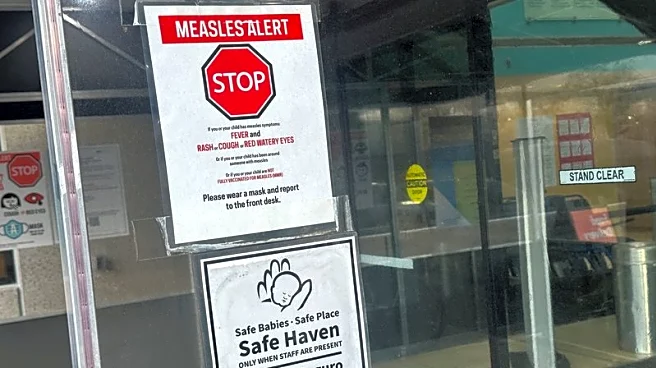
more closely with those of peer nations, which generally recommend fewer vaccines. The change maintains the polio vaccine but narrows recommendations for others like RSV, meningococcal disease, hepatitis B, and hepatitis A to children at higher risk. Despite these changes, the CDC will continue to recommend vaccines against measles, mumps, rubella, polio, whooping cough, HPV, and chickenpox. The decision has sparked concern among public health experts who fear it could lead to a resurgence of preventable diseases.
Why It's Important?
This policy shift could have significant implications for public health in the U.S. By reducing the number of recommended vaccines, there is a risk of decreased vaccination rates, which could lead to outbreaks of diseases that are currently under control. The decision aims to increase public trust by aligning with international standards, but it may also undermine confidence in the U.S. public health system if it leads to increased disease incidence. The move reflects a broader trend of reevaluating public health policies to balance individual choice with community health needs.
What's Next?
The decision may prompt reactions from various stakeholders, including healthcare providers, parents, and public health organizations. There could be calls for further review or reversal of the policy if disease outbreaks occur. Additionally, the policy may influence future public health strategies and vaccine development priorities in the U.S.