



What's Happening?
Soterix Medical Inc., a leader in non-invasive brain stimulation technologies, has received clearance from the U.S. Food & Drug Administration (FDA) for its SPRY Transcranial Magnetic Stimulation (TMS) Therapy. This therapy is designed for adult patients
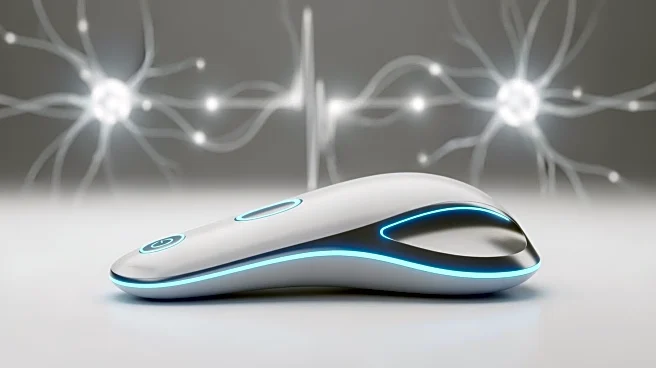
suffering from Major Depressive Disorder who have not responded adequately to antidepressant medications. The SPRY TMS system is noted for its ergonomic design and portability, featuring rapid liquid cooling for continuous operation and an intuitive touchscreen interface for streamlined treatment processes. The system also includes interchangeable coils for specialized applications and can be configured with the SPRY POINT Neuronavigation system. Soterix Medical offers a Partnership program for U.S. psychiatrists, providing support, training, and financing options to facilitate the integration of SPRY TMS into clinical practice.
Why It's Important?
The FDA clearance of SPRY TMS Therapy represents a significant advancement in the treatment options available for Major Depressive Disorder, particularly for patients who have not found relief through traditional antidepressant medications. This development could potentially improve the quality of life for many individuals suffering from depression by providing a non-invasive alternative that is both effective and convenient. The introduction of this technology may also influence the broader mental health treatment landscape by encouraging the adoption of innovative therapeutic solutions. Additionally, the support and training offered by Soterix Medical could enhance the capabilities of mental health professionals, leading to better patient outcomes.
What's Next?
With the FDA clearance, Soterix Medical is poised to expand the availability of SPRY TMS Therapy across the United States. The company is likely to focus on building partnerships with mental health practitioners and clinics to integrate this technology into their treatment offerings. As more psychiatrists adopt the SPRY TMS system, there may be increased data and feedback on its efficacy and usability, potentially leading to further refinements and enhancements. The success of this rollout could also prompt other companies to develop similar non-invasive treatment options, fostering innovation in the mental health sector.