






What's Happening?
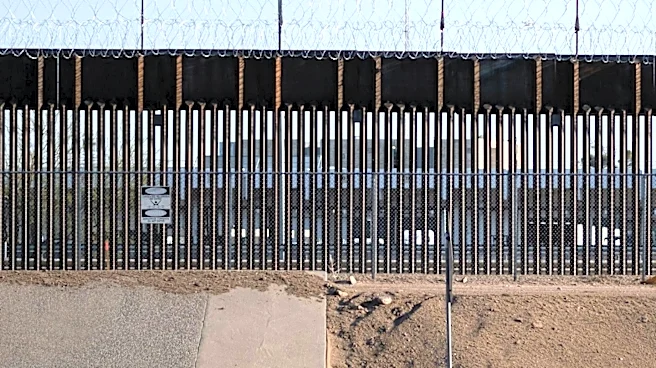
The Defense Ministry's Borders and Seam Directorate, led by Maj.-Gen. Eran Ofir, has initiated significant upgrades to the 'Hourglass' security fence along the Gaza Strip. These improvements are based on lessons learned from the October 7 attack and the conflict
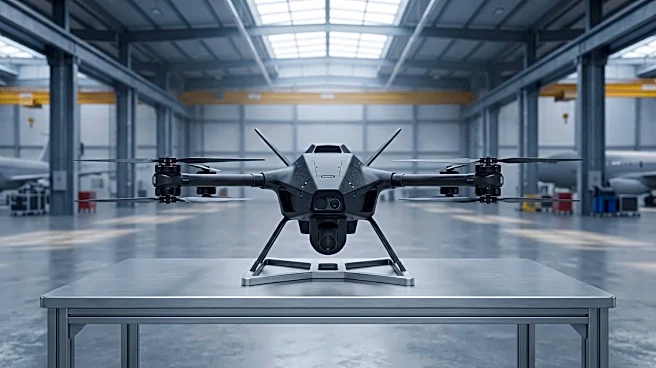
with Hezbollah. The upgrades include reinforcing gates along the international border to make them more difficult to breach while allowing military forces quick passage. Engineering work is also underway to analyze terrain and geographical conditions, preparing for winter months when soil erosion and flooding could damage the fence. A key aspect of the upgrade is the integration of advanced technologies and operational methods to counter low-altitude threats, specifically fiber-optic drones, which proved to be a significant challenge during the war with Hezbollah. Additionally, preparations are being made to integrate advanced intelligence-gathering systems to enhance early warning capabilities and strengthen overall security in the border area. Similar technology is expected to be implemented along Israel's other borders, particularly with Lebanon.
Why It's Important?
These extensive upgrades to the Gaza border fence signify a critical re-evaluation of Israel's defense strategy following the October 7 attack. The previous assumption that the fence was impassable or that Israeli forces could easily neutralize threats at the border proved to be a costly miscalculation. The new measures aim to address vulnerabilities exposed during the attack, particularly the ease with which the fence was breached in dozens of locations. The integration of anti-drone technology reflects the evolving nature of modern warfare, where low-altitude aerial threats can pose significant risks. For the U.S., these developments are important as they highlight the ongoing security challenges faced by a key ally in a volatile region. The investment in advanced intelligence and border security infrastructure underscores a commitment to preventing future incursions and maintaining regional stability, which aligns with broader U.S. strategic interests in the Middle East. The lessons learned from Gaza are also being applied to other borders, indicating a comprehensive shift in Israel's national security posture.
What's Next?
The ongoing upgrades to the 'Hourglass' security fence are expected to continue, with a focus on integrating advanced intelligence-gathering systems and operational methods. The implementation of anti-drone technology will likely be a continuous process, adapting to new threats as they emerge. The application of similar security measures along other Israeli borders, particularly with Lebanon, suggests a broader national strategy to enhance border defense. These developments will likely lead to a more fortified and technologically advanced border infrastructure, aiming to deter and prevent future infiltrations. However, the effectiveness of these measures will be continuously tested by evolving tactics from opposing forces. The international community will be observing these developments closely, as they could influence regional dynamics and the broader security landscape in the Middle East. The emphasis on technological solutions also raises questions about the future of border security and the role of advanced systems in conflict zones.
Beyond the Headlines
The decision to upgrade the Gaza border fence, despite General Staff investigations concluding that the original fence fulfilled its intended purpose, reveals a deeper psychological and strategic shift within the Israeli military and government. The October 7 attack exposed not just physical vulnerabilities but also a failure in strategic assumptions and preparedness. The new emphasis on advanced technology, particularly against fiber-optic drones, indicates a recognition that future conflicts will involve sophisticated, asymmetric threats. This move also reflects a broader trend in modern warfare towards technological solutions for security challenges, potentially leading to a more automated and less human-intensive border defense. However, relying heavily on technology also raises questions about its limitations and the potential for new forms of circumvention. The long-term implications could include a further militarization of borders, increased surveillance, and a redefinition of what constitutes effective national security in an era of rapidly advancing military technology.