





What's Happening?
At the Breathe Pakistan Climate Change Conference 2026, experts highlighted the severe impact of climate change on Pakistan's agriculture sector. The conference, held in Islamabad, featured discussions on 'Agriculture, Food Security and Climate Resilience.'
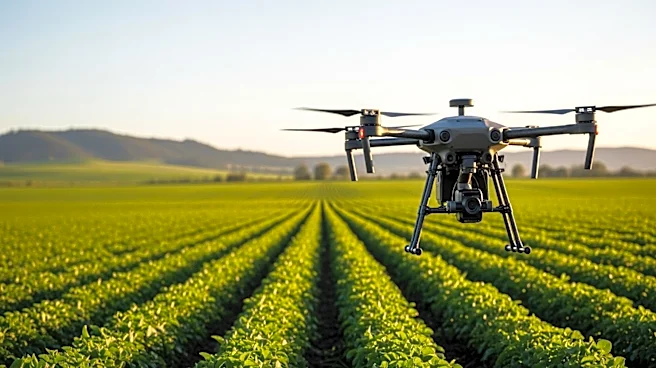
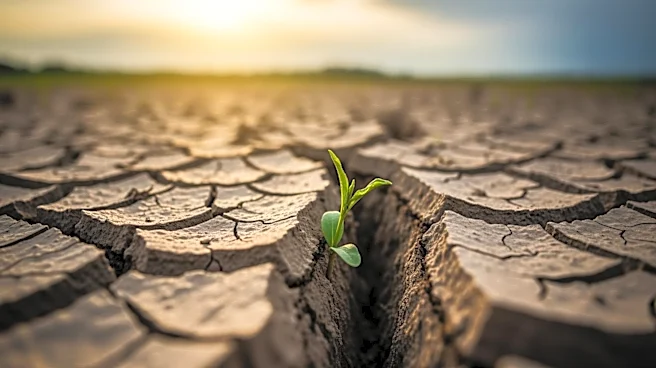
Major Gen Shahid Nazir, CEO of the Green Pakistan Initiative, emphasized the need for a National Cooperative Policy to address climate challenges and ensure agricultural self-reliance. He noted the unpredictable weather patterns, such as excessive rains and droughts, that threaten crop yields. Dr. Zeelaf Munir, CEO of English Biscuit Manufacturers, expressed concerns over food security, citing the impact of regional conflicts on fuel and fertilizer supplies. She stressed the importance of equipping farmers with technology to conserve water, as 93% of freshwater is used in agriculture. Other speakers, including Hasan Khurrum Hanif and Hamza Kamal, discussed the direct effects of climate change on farmers and the need for precision agriculture.
Why It's Important?
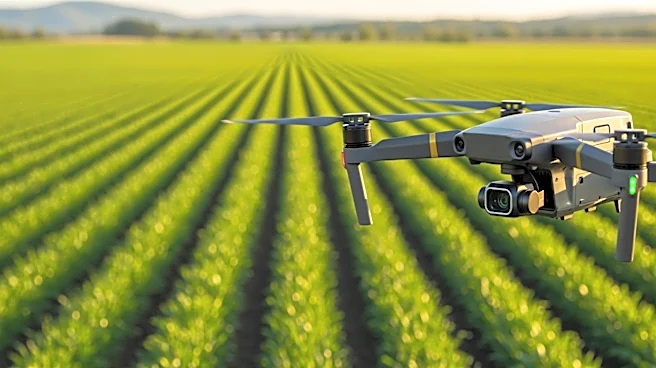
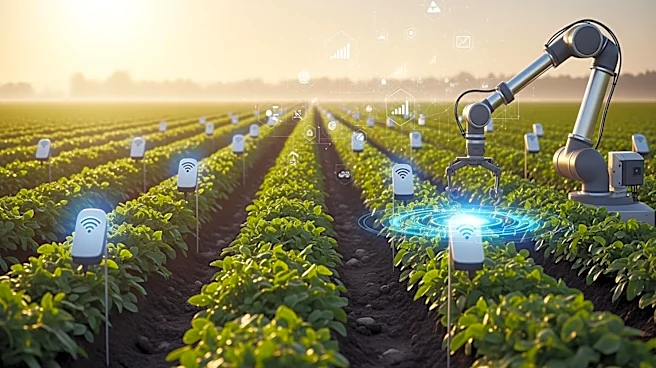
The discussions at the conference underscore the critical need for reforms in Pakistan's agriculture sector, which is highly vulnerable to climate change. The sector's instability poses a threat to food security, not only for the poor but potentially for the entire population. The reliance on imports for essential crops like wheat highlights the urgency for self-sufficiency. The proposed reforms, such as adopting water conservation technologies and precision agriculture, could mitigate the adverse effects of climate change. These measures are crucial for maintaining agricultural productivity and ensuring food security in the face of unpredictable weather patterns. The conference also highlighted the potential economic benefits of improving agricultural practices, such as increasing milk production to boost GDP.
What's Next?
The conference called for immediate action to implement the suggested reforms. The government and private sector are expected to collaborate on developing and adopting new technologies to enhance agricultural resilience. There is also a push for formalizing the supply chain of dairy products to increase efficiency and output. The discussions may lead to policy changes that prioritize climate resilience in agriculture, potentially attracting foreign investment and fostering innovation. Stakeholders, including farmers, policymakers, and industry leaders, are likely to engage in further dialogue to refine and implement these strategies.