






What's Happening?
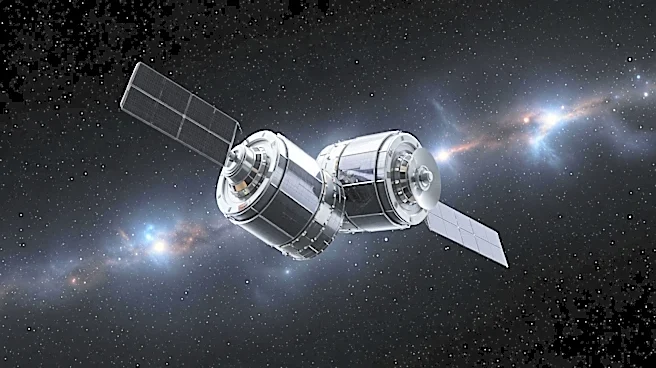
Two Russian military satellites, COSMOS 2581 and COSMOS 2583, executed a close proximity maneuver in low Earth orbit, coming within 3 meters of each other. This event, tracked by the U.S.-based space situational awareness firm COMSPOC, has sparked concerns
about potential space-based surveillance and the risk of orbital collisions. The satellites, launched by Russia's space agency Roscosmos in February 2025, are believed to be part of a program involving 'inspector satellites' designed to test or perform surveillance operations on other spacecraft. The maneuver, which involved several precise adjustments by COSMOS 2583, highlights the sophistication of Russian space technology. However, it also underscores the potential dangers of space debris, as nearly half of all tracked objects in Earth's orbit are considered space junk. A collision could lead to the Kessler syndrome, where debris causes further collisions, creating an impenetrable layer of debris that could hinder future space launches.
Why It's Important?
The maneuver by the Russian satellites is significant as it raises the stakes in the ongoing space race and highlights the potential for increased militarization of space. The ability to perform such precise maneuvers suggests advanced capabilities that could be used for surveillance or even offensive operations in space. This development could lead to heightened tensions between space-faring nations, particularly the U.S. and Russia, as they vie for dominance in space technology. The risk of collisions and the creation of space debris also pose a threat to the safety and sustainability of space operations, potentially impacting commercial and scientific missions. The incident underscores the need for international cooperation and regulation to manage space traffic and prevent conflicts.
What's Next?
In response to this maneuver, there may be calls for increased monitoring and regulation of space activities to prevent potential conflicts and ensure the safety of space operations. The U.S. and other nations might push for more stringent international agreements on space conduct. Additionally, space agencies and private companies could invest in technologies to track and mitigate space debris. The incident may also prompt discussions on the need for transparency in space operations to build trust among nations and prevent misunderstandings that could escalate into conflicts.