





What's Happening?
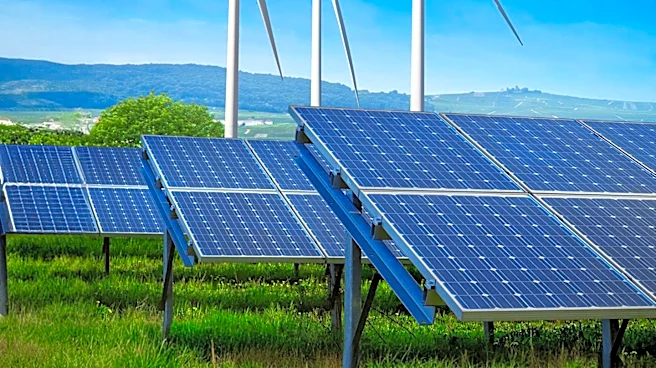
A temporary halt has been placed on a controversial data center project planned for public land in Nevada. The project, by Townsite Solar, was initially approved by the Bureau of Land Management (BLM). However, officials in Boulder City and environmental
groups filed a complaint with the Department of the Interior, arguing that the BLM approved the data center without conducting proper environmental studies and public input. The Interior Board of Land Appeals subsequently issued a 'stay,' halting construction as the appeals process unfolds. The panel found that the BLM did not conduct new environmental assessments when Townsite Solar 2, owned by Skylar Capital Management, changed its plans from a solar project to a data center. Representative Dina Titus, a Democrat representing Nevada's 1st Congressional District, issued a statement supporting the judge's ruling, emphasizing the need for transparency and public accountability, and highlighting the significant difference between a solar farm and a data center.
Why It's Important?
This temporary halt is significant as it sets a precedent for how public lands are utilized for development projects, particularly data centers, in Nevada and potentially across the U.S. The ruling underscores the importance of the National Environmental Policy Act (NEPA) in ensuring thorough environmental assessments and public input for projects on public lands. The judge's finding that the public interest in timely data center development does not outweigh the benefits of a comprehensive environmental review highlights a critical balance between economic growth and environmental protection. For environmental groups, this decision validates their concerns about potential harms like noise and air pollution from data centers. For local communities like Boulder City, it addresses issues of resource strain, as the proposed data center would tap into local utilities and emergency services without prior consultation from the BLM. The outcome of the appeals process could influence future land use policies and environmental regulations for similar projects nationwide.
What's Next?
The stay on the data center project will remain in place until both sides, Townsite Solar 2 and the appellants (Boulder City officials and environmental groups), present their legal briefs. The Interior Board of Land Appeals will then review these briefs to make a final determination on the project's future. Concurrently, local residents in the area are scheduled to vote on a measure in November to decide whether the city should change its zoning regulations, which could further impact the feasibility of such projects. The judge's indication that the appellants are 'likely to prevail' suggests that the BLM may be required to conduct new environmental assessments and solicit public input before any construction can proceed. This case is being closely watched as it could establish a significant precedent for how data center developments on public lands are evaluated and approved in the future, potentially leading to stricter environmental review processes.
Beyond the Headlines
This case delves into the deeper implications of balancing technological advancement with environmental stewardship and local community rights. The shift from a solar farm to a data center highlights a growing tension as the demand for data infrastructure increases, often requiring significant land, energy, and water resources. The region's ecological sensitivity, being home to endangered Mojave tortoises and state-protected desert bighorn sheep, adds an ethical dimension to the land use debate. The ruling also brings to light the potential for federal agencies like the BLM to overlook or misapply environmental regulations when approving projects, raising questions about oversight and accountability. The involvement of a hedge fund company, Skylar Capital Management, in a public land development project further emphasizes the intersection of private investment, public resources, and environmental policy. The outcome will not only affect this specific project but could also shape the legal framework for future industrial developments on public lands, influencing how environmental impact statements are conducted and how public input is integrated into decision-making processes.