




What's Happening?
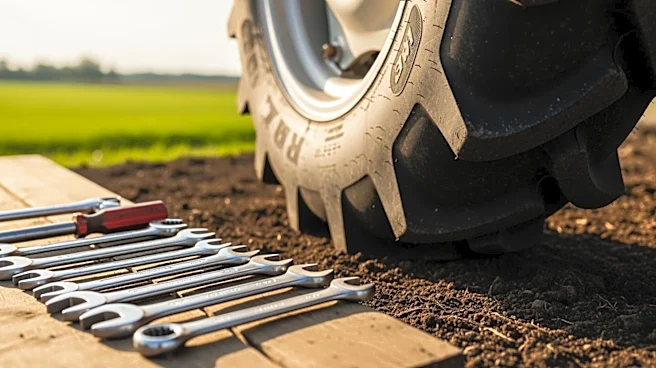
Colorado lawmakers have successfully defended the state's Right to Repair laws after a bill aimed at weakening these protections failed to advance. The laws, which allow consumers and businesses to repair their own property, have been a point of contention,
with some arguing they pose cybersecurity risks. The proposed bill sought to exempt critical infrastructure from these laws, citing potential threats to national security. However, the bill was defeated in the House committee, maintaining Colorado's position as a leader in consumer repair rights.
Why It's Important?
The decision to uphold Colorado's Right to Repair laws is a significant victory for consumer rights advocates and small businesses. It ensures continued access to repair information and parts, reducing costs and promoting sustainability. The debate highlights the tension between consumer rights and cybersecurity concerns, with implications for similar laws nationwide. The outcome may influence other states considering Right to Repair legislation and impact the relationship between manufacturers and consumers.
What's Next?
While the current laws remain intact, discussions about potential exemptions for critical infrastructure are likely to continue. Stakeholders, including technology companies and consumer advocates, will need to address cybersecurity concerns while preserving consumer rights. Future legislative efforts may focus on balancing these interests, potentially leading to revised laws that accommodate both security and repair access.