



What's Happening?
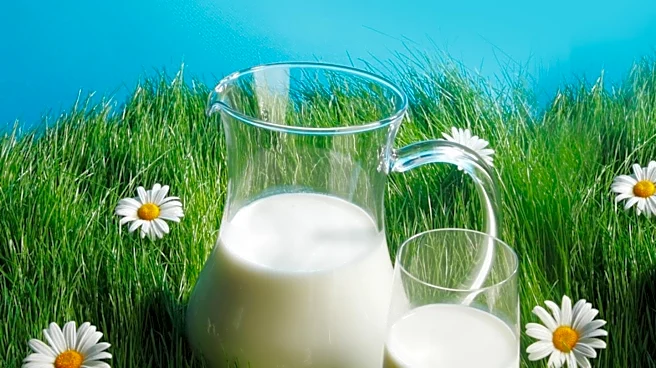
There is a growing trend in the United States towards the consumption of raw milk, which is milk that has not been pasteurized to kill harmful bacteria. Experts, including scientists and health authorities, are warning against this trend due to the significant
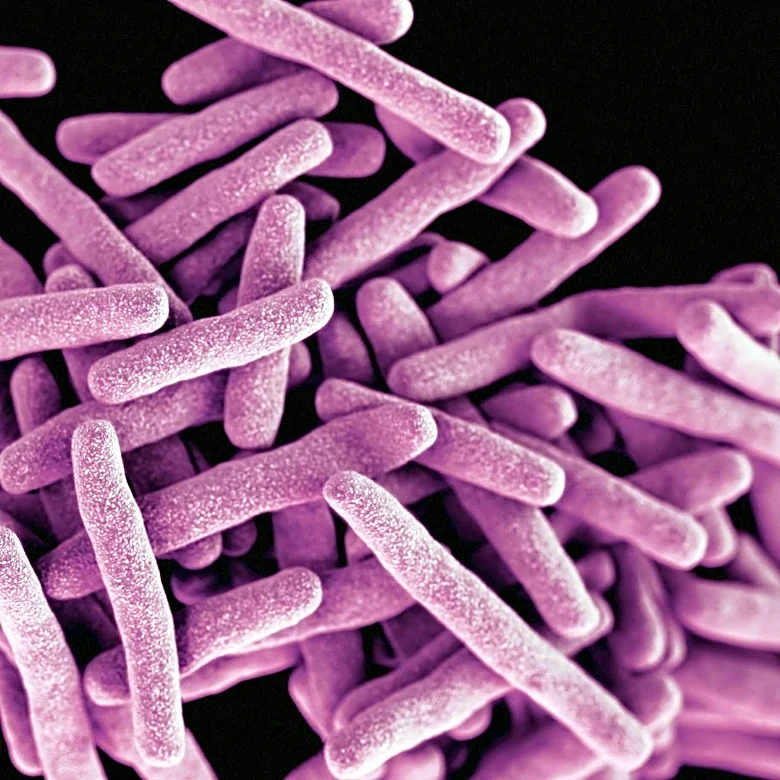
health risks associated with raw milk. Unlike pasteurized milk, raw milk can contain dangerous pathogens such as Salmonella, E. coli, Campylobacter, and Listeria, which can lead to serious infections. Vulnerable populations, including young children, the elderly, and individuals with weakened immune systems, are particularly at risk. Despite some claims of nutritional benefits, there is no scientific evidence supporting the idea that raw milk is more beneficial than pasteurized milk.
Why It's Important?
The increasing popularity of raw milk poses a public health challenge, as it can lead to outbreaks of foodborne illnesses. The consumption of raw milk is a contentious issue, with proponents advocating for its natural benefits and opponents highlighting the health risks. The debate has implications for public health policy, as regulators may need to consider stricter controls or educational campaigns to inform the public about the dangers of raw milk. The trend also affects the dairy industry, which must balance consumer demand with safety standards.
What's Next?
Health authorities may increase efforts to educate the public about the risks of raw milk consumption. This could involve campaigns to raise awareness about the potential for serious illness and the lack of proven health benefits. Regulatory bodies might also consider implementing stricter regulations on the sale and distribution of raw milk to protect public health. The dairy industry could play a role in these efforts by promoting the safety and benefits of pasteurized milk.